Archive title

Autem vel eum iriure dolor in hendrerit in vulputate velit esse molestie consequat, vel illum dolore eu feugiat nulla facilisis at vero eros et dolore feugait.

Monthly Archive January 27, 2026

mira flight level shower tray installation instructions

Mira Flight Level Shower Tray Installation: A Comprehensive Guide

This guide details Mira Flight tray installation, covering riser and non-riser options; retain these instructions for the user’s reference․

The Mira Flight Level shower tray offers a sleek, modern showering experience, designed for easy installation and lasting durability․ This comprehensive guide provides step-by-step instructions for both riser and non-riser installations, ensuring a secure and watertight fit․ Understanding these instructions is crucial for a successful outcome, guaranteeing years of reliable performance․ Remember to keep this guide accessible for future reference or maintenance needs, aiding in preserving your shower’s functionality․

Understanding Different Tray Types

Mira Flight Level trays come in various shapes to suit different bathroom layouts․ Square shower trays offer a contemporary look, while rectangular trays provide more space․ Quadrant shower trays maximize corner space, ideal for smaller bathrooms․ Regardless of the chosen shape – square, rectangular, or quadrant – the core installation principles remain consistent, focusing on a level surface and secure waste connection for optimal performance and longevity․

Square Shower Trays

Mira Flight Level square shower trays present a modern, minimalist aesthetic, fitting neatly into corner or alcove installations․ Ensuring a perfectly level base is crucial for these trays, preventing water pooling and potential leaks․ Proper leg installation and secure waste connection are paramount․ Precise measurements of the installation space are vital before commencing, guaranteeing a flush and stable fit for long-lasting performance and user satisfaction․

Rectangular Shower Trays

Mira Flight Level rectangular shower trays offer a spacious showering experience, ideal for larger bathrooms․ Accurate positioning is key, ensuring alignment with walls and plumbing connections․ Leveling is critical across the tray’s longer dimensions to prevent water runoff issues․ Robust leg support is essential, particularly for larger sizes, guaranteeing stability and preventing flexing․ Careful sealing around the perimeter will maintain a watertight installation for years to come․

Quadrant Shower Trays

Mira Flight Level quadrant shower trays maximize space in corner bathroom layouts․ Precise corner alignment is vital during installation, ensuring a snug fit against both walls․ Leveling must be checked across both tray sides, compensating for potential floor inconsistencies․ Secure leg placement is crucial, distributing weight evenly to prevent instability․ Thorough sealant application along all edges guarantees a waterproof seal, preventing leaks and damage over time․

Pre-Installation Checks & Preparation

Before beginning, verify the installation space accommodates the chosen Mira Flight tray size, allowing for access․ Critically, ensure the floor is completely flat and level; any discrepancies require correction before proceeding․ Confirm the subfloor’s structural integrity to support the tray’s weight, including occupants․ Gather all necessary tools and materials, preventing mid-installation delays․ Protect surrounding surfaces to avoid damage during the installation process․

Checking the Installation Space

Thoroughly measure the intended installation area, confirming it precisely matches the selected Mira Flight tray dimensions․ Verify adequate clearance for access during and after installation, including plumbing connections․ Inspect for obstructions like pipes or electrical wiring within the floor or walls․ Ensure sufficient space around the tray for comfortable showering․ Confirm the area is free from debris and prepared for a clean installation process․

Ensuring a Flat and Level Surface

Prior to installation, meticulously check the floor’s flatness using a spirit level․ Any deviations can compromise drainage and stability․ Address unevenness with appropriate leveling compounds, ensuring complete curing before proceeding․ A perfectly level surface guarantees the shower cubicle sits flush with the tray․ Confirm the tray remains stable and doesn’t wobble when placed on the prepared surface․ This foundational step is crucial for a watertight and secure installation․

Tools and Materials Required

Successful Mira Flight installation demands specific tools: a spirit level, screwdriver, drill, tape measure, and sealant gun․ Essential materials include silicone sealant, appropriate waste pipes (potentially Rapi-Flo), leveling compounds if needed, and screws․ Ensure the waste pipe diameter matches the tray’s outlet․ Having these readily available streamlines the process, preventing delays and ensuring a professional finish․ Prior preparation minimizes interruptions during installation․

Essential Tools for Installation

For a smooth Mira Flight tray installation, gather these tools: a reliable spirit level to guarantee a perfectly even base, a screwdriver for securing components, a drill for creating necessary fixings, and a precise tape measure for accurate positioning․ A sealant gun is crucial for applying waterproof sealant effectively․ Don’t forget safety glasses and gloves for personal protection during the process․

Necessary Materials (Sealants, Waste Pipes etc․)

Essential materials for Mira Flight installation include high-quality silicone sealant for waterproofing, and appropriate waste pipes – potentially a Rapi-Flo waste if applicable – ensuring correct diameter and connections․ You’ll also need screws and fixings suitable for your wall type, and potentially tray legs or a riser kit depending on your chosen installation method․ Consider pipe joint compound for leak-proof connections․

Step-by-Step Installation Guide

Begin by carefully positioning the shower tray, ensuring it fits the designated space without obstructions․ Next, securely install the shower tray legs, attaching them firmly to the tray’s underside․ Crucially, use a spirit level to meticulously level the tray, adjusting the legs as needed for a perfectly even surface․ This foundational step guarantees proper drainage and prevents future issues․

Step 1: Positioning the Shower Tray

Carefully place the shower tray in its intended location within the bathroom․ Double-check for any potential clearance issues or obstructions that might hinder a proper fit․ Ensure the tray aligns with the surrounding walls and enclosure․ Prior to securing it, verify that the chosen position allows for easy access for future maintenance and repairs, optimizing long-term usability․

Step 2: Installing the Shower Tray Legs

Screw the legs securely onto the designated mounting points underneath the shower tray․ Ensure each leg is firmly attached to provide stable support․ Hand-tighten initially, then use a tool for final tightening, avoiding over-tightening which could damage the tray․ Confirm all legs are screwed in consistently to maintain a level base for subsequent steps, crucial for proper drainage․

Step 3: Leveling the Shower Tray

Place a spirit level across the shower tray in multiple directions to check for levelness․ Adjust the legs as needed – extending or retracting them – until the tray is perfectly level․ A level surface is vital for effective water drainage and prevents ponding․ Re-check frequently during adjustment to ensure accuracy, guaranteeing a stable and functional shower installation․

Waste System Installation

Connect the Rapi-Flo waste, if applicable, following the manufacturer’s guidelines for a secure fit․ Ensure all connections are watertight to prevent leaks․ Verify proper drainage by running water into the tray during installation; observe the flow rate and check for any obstructions․ A correctly installed waste system is crucial for efficient water removal and preventing water damage․
Connecting the Rapi-Flo Waste (if applicable)

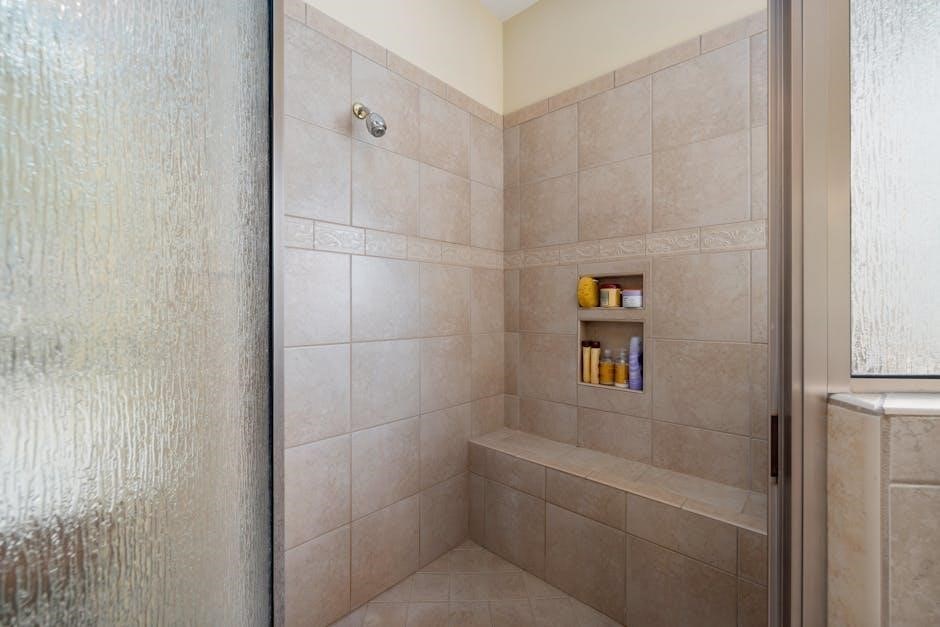
The Rapi-Flo waste requires careful connection to ensure a watertight seal․ Align the waste with the tray’s outlet and secure it firmly, utilizing the provided washers and tightening appropriately․ Double-check all joints for gaps or looseness․ Proper alignment prevents leaks and ensures efficient water drainage, contributing to a long-lasting and trouble-free shower installation․

Ensuring Proper Drainage

Verify the waste pipe has a sufficient fall to facilitate smooth water flow․ Avoid any kinks or sharp bends in the pipework, as these can restrict drainage and cause water to back up․ After connecting the waste, conduct a thorough test by running water into the tray to confirm efficient and unobstructed drainage, preventing potential water damage․

Sealing and Waterproofing

Apply a high-quality, mildew-resistant sealant meticulously around the tray’s edges where it meets the walls or floor․ This creates a watertight barrier, preventing leaks and potential damage․ Extend waterproofing beyond the tray’s perimeter, especially in vulnerable areas like corners and joins, ensuring comprehensive protection against water ingress․ Regular inspection of sealant is crucial․

Applying Sealant to Tray Edges

Begin by ensuring the tray edges are clean, dry, and free from debris․ Apply a consistent bead of sealant, avoiding gaps or air bubbles․ Smooth the sealant with a wet finger or a sealant smoothing tool for a professional finish․ Pay close attention to corners, creating a complete and watertight seal․ Allow sufficient curing time, as per the sealant manufacturer’s instructions, before use․

Waterproofing the Installation Area

Thoroughly waterproof surrounding walls and the floor beneath the tray, extending beyond the tray’s footprint․ Utilize a waterproof membrane or paint, applying multiple coats for optimal protection․ Pay particular attention to corners and areas around pipework penetrations․ Ensure complete coverage to prevent water ingress and potential damage․ Allow adequate drying time before proceeding with final installation steps․

Troubleshooting Common Issues

Uneven floors require adjustable legs or a leveling compound to ensure tray stability․ Drainage problems often stem from incorrect waste pipe connections or blockages; verify proper alignment and clear any obstructions․ Leaks can indicate insufficient sealant application – re-apply sealant around the tray edges․ Always double-check the tray is level before use, addressing any imbalances promptly to prevent future issues․

Dealing with Uneven Floors

If the floor isn’t level, utilize the adjustable legs provided with the Mira Flight tray to compensate for height differences․ For significant unevenness, consider applying a self-leveling compound before installation․ Ensure the tray sits firmly and doesn’t rock․ Regularly check with a spirit level during installation, making adjustments as needed to achieve a perfectly flat and stable surface for the shower cubicle․

Addressing Drainage Problems

Ensure the Rapi-Flo waste is correctly connected and free from obstructions․ Verify the waste pipe has sufficient fall to facilitate proper drainage; avoid flat or rising sections․ If drainage is slow, check for kinks or blockages in the pipework․ A slow drain could indicate improper installation or debris accumulation, requiring immediate attention to prevent water damage and ensure efficient shower functionality․

Post-Installation Checks

Thoroughly inspect all connections for leaks, particularly around the waste and sealant edges․ Run the shower for an extended period, observing for any signs of water escaping․ Confirm proper drainage, ensuring water flows freely and doesn’t pool on the tray․ Verify the shower cubicle sits securely on the tray’s surface, guaranteeing stability and preventing future issues․

Checking for Leaks

After installation, meticulously inspect all connections – waste, sealant, and tray edges – for any water seepage․ Operate the shower, observing closely for drips or moisture buildup around the tray and waste system․ Pay attention to areas where different components join․ A dry environment confirms a secure seal; address any leaks immediately with additional sealant or tightening of connections․

Testing the Shower Functionality

Once leak checks are complete, thoroughly test the shower’s full functionality․ Run water at varying temperatures and pressures, ensuring consistent flow and proper drainage․ Verify the showerhead’s spray pattern is as expected․ Confirm the waste system efficiently handles the water volume without backups or overflows․ This comprehensive test validates a successful installation and optimal performance․

Mira Flight Tray Riser Installation

Riser kits elevate the tray, accommodating plumbing and enhancing accessibility․ Begin by understanding the specific kit components․ Install the riser legs securely to the tray’s underside, ensuring they are evenly positioned․ Double-check stability before proceeding․ Proper riser installation is crucial for correct height and preventing future issues with the shower’s functionality and drainage system․

Understanding Riser Kits

Mira Flight riser kits provide adjustable height for shower tray installation, crucial when plumbing access requires elevation or for improved accessibility․ Kits typically include legs and fixings․ Familiarize yourself with all components before starting․ These kits allow for a stable and level installation, even on slightly uneven floors, ensuring proper drainage and preventing potential leaks․ Correct kit selection is vital․

Installing the Riser Legs

Begin by attaching the riser legs to the designated points on the shower tray’s underside, ensuring a secure fit with the provided fixings․ Hand-tighten initially, then use a tool for final tightening, avoiding over-compression․ Confirm each leg is firmly attached before proceeding․ These legs provide the necessary height adjustment for plumbing connections and leveling, crucial for a stable installation․

Non-Riser Installation Considerations

For direct-to-floor installations, meticulous surface preparation is paramount․ Ensure the floor is perfectly flat and level to guarantee tray stability and prevent stress on joints․ Confirm adequate support beneath the tray, especially for tiled floors․ Prioritize a robust and even weight distribution․ Stability without risers relies entirely on a solid, prepared subfloor, avoiding potential future issues․

Direct-to-Floor Installation

When installing directly onto the floor, a flawlessly prepared surface is crucial․ Place the shower tray and meticulously check for flatness and levelness using a spirit level․ Ensure the cubicle will sit squarely on the tray’s surface․ Any imperfections will compromise stability and potentially lead to leaks․ Prioritize a solid, even base for optimal performance and longevity of the installation․

Ensuring Stability Without Risers

For direct-to-floor installations, achieving stability is paramount․ Confirm the subfloor is robust and perfectly level before proceeding․ Adequate support beneath the tray is essential, potentially requiring additional bracing depending on floor construction․ A secure, unwavering base prevents movement and minimizes the risk of future issues like cracking or leaks․ Prioritize a solid foundation for lasting performance․

Maintaining Your Mira Flight Shower Tray

Regular cleaning preserves your Mira Flight tray’s appearance and functionality․ Use mild, non-abrasive cleaners to avoid damaging the surface․ Preventative maintenance includes periodically checking the waste system for blockages and inspecting seals for deterioration․ Address any issues promptly to avoid costly repairs․ Consistent care extends the tray’s lifespan and ensures continued enjoyment․

Cleaning Recommendations

To maintain your Mira Flight tray, routinely wipe down surfaces with a soft cloth and mild detergent․ Avoid abrasive cleaners, scouring pads, or harsh chemicals that could damage the finish․ Rinse thoroughly with clean water after cleaning․ For stubborn stains, a specialized shower cleaner may be used, following manufacturer’s instructions carefully․ Regular cleaning prevents buildup and preserves the tray’s aesthetic appeal․

Preventative Maintenance Tips

Periodically inspect the shower tray and waste system for any signs of leaks or damage․ Ensure the waste is free from debris to maintain optimal drainage․ Regularly check sealant around the tray edges and reapply if necessary to prevent water ingress․ Address any issues promptly to avoid more significant problems and prolong the lifespan of your Mira Flight installation․

Safety Precautions During Installation

Prioritize electrical safety; disconnect power before working near electrical components․ Always wear appropriate Personal Protective Equipment (PPE), including safety glasses and gloves․ Ensure the installation area is well-ventilated․ Lift heavy components with care, utilizing proper lifting techniques to prevent injury․ Follow all local building regulations and guidelines during the Mira Flight tray installation process․

Electrical Safety

Before commencing any installation work, completely disconnect the electrical supply to the bathroom․ Never work with electrical components while standing in water or on a damp surface․ If unsure about any electrical aspect of the Mira Flight tray installation, consult a qualified electrician․ Ensure all wiring complies with current safety regulations․ Avoid damaging any existing wiring during the process; always prioritize safety․

Personal Protective Equipment (PPE)

During the Mira Flight shower tray installation, always wear appropriate PPE․ This includes safety glasses to protect your eyes from debris, gloves to shield your hands, and a dust mask if cutting or drilling․ Sturdy footwear is essential to prevent injuries․ Consider knee pads for comfortable floor work․ Prioritize your safety by using the correct protective gear throughout the entire installation process․

Understanding the Installation and User Guide

The Mira Flight installation and user guide is crucial for a successful setup․ Locate important details regarding tray types, waste system connections, and leveling procedures․ Keep this guide accessible for future reference, maintenance, or troubleshooting․ It contains specific model variations and instructions․ Familiarize yourself with all sections before commencing installation to ensure a smooth and correct process, maximizing the shower’s lifespan․

Locating Important Information

Within the Mira Flight installation guide, prioritize sections detailing pre-installation checks, tool requirements, and step-by-step instructions․ Pay close attention to waste system diagrams and sealing/waterproofing guidance․ Specific model variations are also outlined․ The guide emphasizes leaving instructions with the user․ Locate safety precautions and troubleshooting tips for common issues like uneven floors or drainage problems, ensuring a secure and lasting installation․

Keeping the Guide for Future Reference

Retain the Mira Flight installation and user guide for future maintenance, troubleshooting, or potential disassembly․ It contains vital information regarding the waste system, sealing procedures, and specific model details; Should any issues arise, referencing the instructions will aid in efficient problem-solving․ This guide ensures long-term usability and proper care of your shower tray, maximizing its lifespan and performance․ It’s a crucial resource for both current and future owners․

Specific Model Variations & Instructions

Mira Flight Level trays require adherence to the core installation process, but adjustments may be needed based on size․ Always consult the specific instructions included with your model․ Variations exist in leg placement and waste connection details․ Ensure compatibility between the tray dimensions and the shower enclosure․ Adapting the general guide to your specific Mira Flight model guarantees a secure and watertight installation, optimizing performance and longevity․

Mira Flight Level – Specific Guidance

For Mira Flight Level trays, prioritize a flat, level surface before installation․ Securely position the tray, checking for clearance issues․ Screw in the legs, ensuring they are firmly attached․ Regularly verify the tray’s level throughout the process․ Proper waste system connection is crucial for effective drainage․ Always follow the detailed installation and user guide provided with your specific Mira Flight model for optimal results and longevity․

Adapting Instructions for Different Sizes

While core installation steps remain consistent, adjust leg placement based on tray dimensions․ Larger Mira Flight trays may require additional leg support for stability․ Always confirm the waste system aligns correctly with the tray size․ Double-check leveling, as larger surfaces are more prone to slight imperfections․ Refer to the specific model’s installation guide for size-related adjustments, ensuring a secure and watertight fit for your chosen Mira Flight shower tray․

Resources and Support

For assistance with your Mira Flight tray installation, contact Mira Customer Support directly for expert guidance․ Numerous online installation videos and frequently asked questions (FAQs) are available on the Mira website, offering visual aids and solutions to common issues․ Keep the installation and user guide handy for future reference․ These resources ensure a smooth and successful installation process, maximizing your shower experience․

Mira Customer Support Contact Information

Should you require direct assistance during your Mira Flight tray installation, Mira provides dedicated customer support channels․ While specific contact details weren’t explicitly provided in the source texts, visiting the official Mira website is recommended․ There, you’ll find phone numbers, email addresses, and potentially live chat options for immediate support․ Retaining the installation guide is also crucial for referencing specific details when contacting support․

Online Installation Videos and FAQs

Supplementing the printed installation guide, Mira likely offers valuable online resources for your Flight tray․ Expect to find step-by-step installation videos demonstrating key procedures, such as waste system connection and leveling․ Comprehensive FAQs address common issues encountered during installation, offering troubleshooting advice․ These digital resources can significantly aid understanding and ensure a smooth, successful installation process, complementing the written instructions․


how to spot a witch pdf

Delving into historical records requires discerning analysis; exploring primary sources like trial transcripts and texts illuminates beliefs surrounding witchcraft accusations during early modern periods․

Historical Context of Witchcraft Beliefs

Early modern European witchcraft beliefs stemmed from a complex interplay of pre-Christian folklore, Christian demonology, and anxieties surrounding societal upheaval․ Ancient Near Eastern cultures laid roots for these ideas, evolving over centuries․

Belief in magic, both benevolent and malevolent, was widespread․ The rise of printing facilitated the dissemination of texts like the Malleus Maleficarum, solidifying stereotypes․ Accusations often targeted marginalized individuals, particularly women, reflecting existing social tensions․ Understanding this historical backdrop is crucial when analyzing trial records and identifying patterns within accusations, as perceptions heavily influenced evidence presented․

The Rise of Witch Trials in Europe and America

Witch trials surged between the 15th and 18th centuries, initially in Central Europe before spreading across the continent and to colonial America․ Factors contributing to this rise included religious conflicts, political instability, and economic hardship․

The publication of texts like King James’ Daemonologie fueled anxieties and provided justification for persecution․ WitchArchive documents this period extensively, revealing patterns of accusation and prosecution․ The Salem Witch Trials represent a particularly infamous example, demonstrating how societal fears could escalate into mass hysteria and injustice․

Key Historical Texts on Witchcraft

Essential documents, such as Potts’ Witches in the County of Lancaster and A Storm of Witchcraft, reveal prevailing beliefs and legal procedures of the era․

Thomas Potts’ Witches in the County of Lancaster

Published in 1613, Thomas Potts’ account of the Lancashire witch trials is a pivotal primary source․ Potts, the clerk of the court, meticulously documented the proceedings, presenting a detailed narrative of the investigations and confessions․ He asserted the trials adhered to King James’ guidelines, establishing legal precedents based on the accused’s own testimonies․

This text offers invaluable insight into the methods used to identify and prosecute alleged witches․ Potts’ work showcases the reliance on spectral evidence and the significance placed on confessions, often obtained through intense questioning․ It’s a crucial resource for understanding the societal anxieties and legal frameworks surrounding witchcraft accusations in 17th-century England․

A Storm of Witchcraft

Robin Briggs’ A Storm of Witchcraft provides a comprehensive overview of witchcraft beliefs and trials in early modern Europe․ Briggs challenges traditional interpretations, emphasizing the diverse local contexts and social dynamics that fueled witch hunts․ The book explores the interplay between popular beliefs, religious anxieties, and legal procedures․

It’s a vital resource for understanding the factors contributing to accusations․ Briggs analyzes patterns in accusations, examining the demographics of the accused and the motivations of accusers․ His work highlights the role of maleficium – harmful magic – and the significance of social tensions in triggering witch panics, offering nuanced perspectives on identifying historical cases․

Analyzing Trial Records for Indicators

Scrutinizing trial transcripts reveals patterns in accusations, examining accuser testimonies, and identifying the presence of “spectral evidence” – crucial for historical analysis․

Examining Accuser Testimony

Analyzing accuser testimony is paramount when investigating historical witch accusations․ These accounts, often delivered under duress or influenced by prevailing societal anxieties, require careful deconstruction․ Researchers must assess the accuser’s motivations, social standing, and potential biases․

Were they seeking personal gain, settling scores, or genuinely convinced of the accused’s maleficium? The consistency and detail within the testimony are also vital considerations․ Contradictions or vague descriptions may indicate fabrication or unreliable recollection․ Furthermore, understanding the cultural context surrounding accusations—like beliefs in curses or the Evil Eye—is essential for interpreting the accuser’s narrative accurately․

Identifying Patterns in Accusations

Recognizing recurring themes within accusations is crucial for understanding historical witch trials․ Common accusations frequently centered around maleficium – harmful magic causing illness, crop failure, or livestock death; Examining demographic trends reveals that marginalized individuals, particularly older women lacking social support, were disproportionately targeted․

Geographical clusters of accusations also emerge, suggesting localized anxieties or social tensions․ Analyzing the relationships between accusers and the accused can expose underlying conflicts or power dynamics․ Identifying these patterns helps historians move beyond individual cases to understand the broader social and cultural forces driving witch hunts․

The Role of “Spectral Evidence”

“Spectral evidence” – testimony about dreams and visions – played a controversial role, particularly in the Salem Witch Trials․ Accusers claimed to see the spirits, or “spectres,” of the accused tormenting them, even while the accused were physically present elsewhere․ This intangible evidence, lacking physical proof, was initially accepted by courts, dramatically escalating the number of convictions․

However, its unreliability soon became apparent, as individuals could claim to be afflicted by anyone’s spectre․ Later legal challenges questioned its validity, ultimately leading to its rejection as admissible evidence, though not before causing immense injustice and tragedy․

Geographical Distribution of Witch Trials

Witch trials weren’t uniform; Europe and colonial America experienced varying intensities, with interactive maps and databases like WitchArchive revealing regional patterns of persecution․

WitchArchive: A Digital Resource

WitchArchive stands as the definitive digital repository for historical witch trial documentation spanning the 1500-1800 timeframe․ This invaluable resource meticulously compiles records from across early modern Europe and colonial America, offering researchers unprecedented access to primary source materials․

Its strength lies in its comprehensive collection of documented persecutions, presented alongside interactive maps that visually demonstrate the geographical spread of witch trials․ Scholars and enthusiasts alike can explore detailed accounts, analyze patterns, and gain deeper insights into the social and legal contexts surrounding these historical events․ The archive’s accessibility fosters a more nuanced understanding of this complex period․

Mapping Witch Trial Locations in Europe

Visualizing the geographical distribution of witch trials reveals crucial patterns and concentrations of persecution across Europe․ Interactive maps, like those found within WitchArchive, demonstrate that trials weren’t randomly scattered but clustered in specific regions – often correlating with political instability, religious conflicts, or economic hardship․

These cartographic representations highlight areas like the Holy Roman Empire, Switzerland, and parts of France as hotspots․ Analyzing these locations alongside local records allows researchers to identify regional variations in accusations, legal procedures, and societal responses to perceived witchcraft, offering a broader historical perspective․

The Salem Witch Trials and Colonial America

The Salem Witch Trials of 1692 represent a particularly infamous episode within colonial American history, fueled by religious extremism, social anxieties, and pre-existing European beliefs about witchcraft․ The Salem Witch Trials Documentary Archive provides invaluable primary source materials, including court records and transcripts, detailing the accusations and proceedings․

Unlike European trials, spectral evidence – testimony based on visions or dreams – played a significant role in Salem․ This, combined with societal pressures and the vulnerability of accused individuals, led to a rapid escalation of accusations and executions, ultimately prompting a reassessment of the legal process․

Common Accusations and “Witch Marks”

Maleficium, or harmful magic, was a frequent accusation, alongside beliefs about “witch marks”—birthmarks or moles—considered evidence of a diabolical pact․

Identifying Typical Accusations (e․g․, Maleficium)

Historical records reveal consistent patterns in accusations leveled against those suspected of witchcraft․ Maleficium, encompassing acts of harmful magic like crop failure, livestock death, or illness, was a remarkably common charge․ Accusers often detailed specific instances of perceived harm directly linked to the accused․

Beyond maleficium, accusations frequently involved consorting with demons, causing misfortune through curses, or possessing the “evil eye․” These claims, though lacking empirical evidence, held significant weight within the societal beliefs of the time․ Examining trial transcripts reveals a reliance on circumstantial evidence and personal animosity fueling these accusations, highlighting the subjective nature of identifying supposed witches․

The Significance of Birthmarks and Moles

Early modern witchcraft beliefs often linked physical anomalies to demonic pacts․ Birthmarks and moles were frequently interpreted as “witch marks,” areas of the body supposedly insensitive to pain and capable of absorbing the Devil’s touch․ These blemishes were believed to indicate where the Devil had suckled or branded the witch․

Demonologists actively sought out these marks during witch trials, often subjecting accused individuals to pricking with needles to test for insensitivity․ The presence of such marks served as ‘proof’ of a diabolical connection, reinforcing pre-existing suspicions and contributing to convictions․ This demonstrates a reliance on pseudo-scientific beliefs in identifying supposed witches․

Legal Procedures and Documentation

Trials followed evolving legal frameworks, influenced by texts like Daemonologie, utilizing confessions – often coerced – and documentation to establish guilt in witchcraft cases․

King James’ Daemonologie and its Influence

King James’ Daemonologie and its Influence

King James I’s Daemonologie (1597) profoundly shaped witchcraft perceptions and legal proceedings․ This treatise, detailing beliefs about witchcraft and demonology, provided a framework for identifying supposed witches and justifying their persecution․

It outlined methods for detecting witches, emphasizing confessions and the search for “witch marks․” Daemonologie legitimized spectral evidence – testimony based on dreams and visions – influencing trial procedures across Europe and colonial America․ Thomas Potts’ Witches in the County of Lancaster explicitly referenced James’ guidelines, establishing legal precedents․

The book’s impact extended beyond legal circles, fueling public fear and contributing to the escalation of witch trials, solidifying beliefs about the demonic pact and maleficium․

The Use of Confessions and Torture

Confessions were central to witchcraft accusations, yet often extracted through coercion and torture․ While English law technically forbade torture, intense questioning, sleep deprivation, and other forms of psychological and physical pressure were commonplace during investigations․

These methods aimed to break down suspects, leading to admissions of guilt – often fabricated to end the suffering․ Thomas Potts’ account of the Lancashire witch trials demonstrates reliance on confessions, even those seemingly retracted․

Such “evidence” fueled convictions, despite its dubious reliability, highlighting the inherent injustice and brutality of the witch-hunting process․

Resources for Researching Witch Trials

Digital archives, like the Salem Witch Trials Documentary Archive and WitchArchive, offer transcribed trials and scholarly resources for in-depth historical investigation․

The Salem Witch Trials Documentary Archive

The Salem Witch Trials Documentary Archive and Transcription Project is an invaluable resource, presenting a comprehensive electronic collection of primary source materials related to the infamous 1692 Salem witch trials․ This archive meticulously compiles court records, examinations of accused individuals, and related documents, offering researchers direct access to the historical evidence․

Crucially, the project provides a new, carefully researched transcription of the original court records, enhancing accessibility and accuracy for scholars․ It’s a pivotal platform for understanding the complexities of the trials, the accusations leveled, and the societal context that fueled the hysteria․ Researchers can explore the narratives and testimonies that shaped this dark chapter in American history․

Online Databases of Trial Transcripts

Numerous online databases now offer digitized trial transcripts from European and American witch trials, providing researchers with unprecedented access to primary source materials․ WitchArchive stands out as a definitive resource, meticulously cataloging documented witchcraft persecutions between 1500-1800․ These databases allow for detailed searches based on location, accuser, accused, and specific accusations․

Accessing these transcripts enables a deeper understanding of the legal procedures, the types of evidence presented (including spectral evidence), and the social dynamics at play․ Careful examination of these records is crucial for identifying patterns and reconstructing the narratives surrounding historical witch accusations․

The Zugarramurdi Witch Trials

The Zugarramurdi trials in Spain (1610) exemplify intense persecution; historical documents reveal accusations and evidence used to condemn individuals based on witchcraft beliefs․

Historical Background of the Trials

The Zugarramurdi witch trials unfolded in the Basque region of Spain in 1610, a period marked by widespread anxieties about witchcraft across Europe․ These trials weren’t isolated; they occurred within a broader context of religious and political tensions, alongside societal fears of demonic influence․ The Inquisition, seeking to consolidate power and enforce religious orthodoxy, played a central role in initiating and overseeing the proceedings․ Local folklore and pre-existing beliefs about magic and sorcery provided fertile ground for accusations to take root․ The trials began with the testimony of a young boy, implicating several women from Zugarramurdi in nocturnal gatherings and pacts with the devil, ultimately leading to a large-scale investigation and numerous convictions․

Analysis of the Accusations and Evidence

The accusations leveled against the women of Zugarramurdi largely centered on participation in akelarre, the Basque term for witches’ sabbaths․ Testimony described gatherings involving devil worship, cannibalism, and harmful magic – maleficium․ Evidence presented was overwhelmingly reliant on confessions, often extracted through interrogation and, potentially, torture․ Crucially, much of the “evidence” was circumstantial, based on hearsay, rumors, and interpretations of unusual behavior․ The presence of “witch marks” – birthmarks or moles – was considered damning proof, reflecting contemporary beliefs about the physical signs of diabolical pacts․ The lack of concrete evidence highlights the fragility and subjectivity of the proceedings․

Understanding the Social and Political Factors

Religious anxieties and political instability fueled witch hunts, often targeting marginalized groups; gender played a significant role in accusations and persecution․

Religious Conflicts and Witch Hunts

The Reformation and Counter-Reformation dramatically impacted witchcraft beliefs, intensifying anxieties about heresy and demonic influence․ Religious divisions created an atmosphere of suspicion, where differing theological viewpoints often intersected with accusations of witchcraft․

Protestant and Catholic regions both experienced witch trials, though the intensity and characteristics varied․ The belief in a powerful, active Devil, capable of making pacts with humans, was central to these persecutions․

These conflicts provided fertile ground for accusations, as individuals were often targeted based on their religious affiliations or perceived deviations from orthodox beliefs, exacerbating societal tensions․

Gender and Witchcraft Accusations

A disproportionate number of those accused of witchcraft were women, reflecting deeply ingrained societal biases and patriarchal structures; Women were often perceived as more susceptible to demonic influence due to perceived moral weaknesses and their association with nature and the body․

Midwives, healers, and women who challenged social norms were particularly vulnerable to accusations․ The stereotype of the malicious, independent woman fueled many trials․

However, men were also accused, though less frequently, often facing accusations related to magic or consorting with female witches, highlighting the complex interplay of gender and power dynamics․

Modern Scholarship on Witchcraft

Contemporary research debunks myths, emphasizing socio-political contexts and challenging traditional narratives surrounding witchcraft accusations, utilizing interdisciplinary approaches for nuanced understanding․

Leading Scholars in Witchcraft Studies

Several prominent scholars have significantly shaped modern understanding of witchcraft history․ Robin Briggs, known for his work on early modern witchcraft beliefs, offers insightful analyses of trial records and societal anxieties․ Brian Levack’s comprehensive studies explore the legal and political dimensions of witch hunts across Europe․

Marion Gibson investigates the cultural representations of witches, while Owen Davies focuses on popular magic and folk beliefs․

These researchers, alongside others, employ rigorous methodologies to dissect historical texts, challenging simplistic narratives and providing nuanced interpretations of this complex period․ Their work is crucial for understanding the context of accusations․

Debunking Myths and Misconceptions

Popular culture often perpetuates inaccurate portrayals of witchcraft and witch trials․ The idea of “spotting a witch” through physical tests like the “witch’s mark” – birthmarks or moles – is a dangerous fabrication rooted in superstition and fueled by biased interrogations․ Confessions obtained through torture were frequently coerced and unreliable․

Spectral evidence, based on visions, lacked concrete proof and contributed to wrongful convictions․

Modern scholarship emphasizes the social, political, and religious factors driving accusations, dismantling the notion of inherent magical power as the cause․

Accessing PDF Documents on Witch Trials

Digital archives offer invaluable resources; locate historical texts like Daemonologie and trial transcripts in PDF format for in-depth research and analysis․

Locating and Downloading Historical Texts

Researchers can access digitized primary sources through several online platforms․ The Salem Witch Trials Documentary Archive provides transcribed court records as downloadable PDFs, offering direct access to trial testimonies and related documents․ WitchArchive, a comprehensive digital resource, features a wealth of materials, including scanned versions of key texts like Thomas Potts’ Witches in the County of Lancaster․

Furthermore, university libraries and digital collections often host PDF versions of scholarly works analyzing witchcraft beliefs and trials․ Utilizing search terms like “witch trials PDF,” “early modern witchcraft,” or specific trial locations (e․g․, “Salem witch trials documents PDF”) will yield relevant results․ Always verify the source’s credibility before downloading and utilizing any historical document․

Evaluating the Credibility of Sources

Assessing source reliability is crucial when researching historical witch accusations․ Prioritize materials from established archives like the Salem Witch Trials Documentary Archive and WitchArchive, known for scholarly rigor․ Be cautious with unverified PDFs found on general websites; consider the author’s expertise and potential biases․

Cross-reference information across multiple sources to confirm accuracy․ Examine the provenance of the document – is it a primary source (e․g․, trial transcript) or a secondary interpretation? Understand that texts like King James’ Daemonologie reflect beliefs, not necessarily factual evidence․ Always critically analyze the context and intent behind each source․

fujitsu 7160 scanner manual

The Fujitsu fi-7160 offers robust scanning capabilities, addressing diverse document management needs, while driver updates and hardware compatibility
remain key considerations for optimal performance and longevity․

Overview of the Scanner’s Capabilities

The Fujitsu fi-7160 scanner excels in high-volume, fast-paced environments, boasting impressive speeds and reliable paper handling․ It’s designed for efficient document capture, supporting both simplex and duplex scanning with speeds reaching 70 ppm/140 ipm․ The scanner’s capabilities extend to handling various document types and sizes, including plastic cards and thick media․

Furthermore, the fi-7160 addresses potential hardware limitations, like GPU issues seen in older models, through robust design and updated components․ Users can potentially upgrade components like RAM and graphics cards (considering space constraints), enhancing overall system performance․ Diagnostic utilities, like those returning code 00410002, aid in identifying hardware problems, facilitating solutions like drive cloning to SSDs․

Intended Use and Target Audience

The Fujitsu fi-7160 scanner is ideally suited for businesses and organizations requiring high-volume document digitization․ Its robust capabilities cater to sectors like healthcare, finance, and legal, where efficient document management is crucial․ The target audience includes professionals dealing with large document workflows, such as records managers, data entry clerks, and administrative staff․

Addressing user concerns regarding driver support, particularly for older hardware like ATI Mobility Radeon cards, the fi-7160’s software ecosystem aims for consistent updates․ It’s also beneficial for users experiencing hardware issues, offering diagnostic tools to identify problems, mirroring the utility found in Fujitsu’s boot menu․ Ultimately, the scanner serves those needing reliable, fast, and adaptable document capture solutions․

Scanner Hardware Components

The fi-7160 features a durable build, incorporating an ADF, flatbed, and intuitive control panel, alongside diagnostic tools for addressing potential hardware failures․

Physical Description and Dimensions

The Fujitsu fi-7160 scanner presents a sleek, modern design intended for efficient desktop integration․ Its compact footprint minimizes workspace disruption, while maintaining robust functionality․ The scanner’s dimensions are approximately 11․8 inches (width) x 14․6 inches (depth) x 12․2 inches (height), making it suitable for various office environments․

Constructed with high-quality materials, the fi-7160 exhibits durability and a professional aesthetic․ The unit’s weight is around 17․6 pounds, providing stability during operation․ Careful consideration of internal component placement allows for optimal airflow, contributing to reliable performance․ The design prioritizes user accessibility, with clearly labeled controls and easy-to-reach access points for maintenance․

Key Components: ADF, Flatbed, and Control Panel

The Fujitsu fi-7160 boasts three essential components: the Automatic Document Feeder (ADF), the flatbed scanner, and the control panel․ The ADF accommodates up to 80 sheets, facilitating high-volume scanning․ The flatbed provides versatility for scanning delicate or bound documents that cannot pass through the ADF․

The intuitive control panel features a clear LCD display and easily accessible buttons for initiating scans and adjusting basic settings․ This allows for quick operation without relying solely on software․ These components work in harmony, offering a flexible scanning solution․ The scanner’s design prioritizes ease of use and efficient workflow, making it suitable for diverse scanning tasks․

Understanding the Scanner’s Indicators and Lights

The Fujitsu fi-7160 utilizes a system of indicators and lights to communicate its status․ A power indicator confirms the scanner is on, while a readiness light signals it’s prepared for scanning․ Error lights illuminate in case of paper jams or other issues, often accompanied by specific error codes displayed on the control panel․

The ADF status light indicates document feeding activity․ Understanding these signals is crucial for efficient troubleshooting․ For example, a flashing error light may require checking for obstructions within the ADF path․ Consistent monitoring of these indicators ensures smooth operation and prompt resolution of any scanning problems, maximizing productivity․

Setting Up the Fujitsu fi-7160

Initial setup involves unpacking, connecting power and USB/network cables, and installing necessary drivers and software for seamless functionality․

Unpacking and Initial Inspection

Carefully unpack the Fujitsu fi-7160 scanner from its shipping box, retaining the packaging materials for potential future transport or warranty claims․ A thorough initial inspection is crucial․ Verify that all components listed on the packing slip are present, including the scanner unit itself, the power cable, the USB cable (or network cable, if applicable), and any included documentation like the quick start guide or warranty information․

Inspect the scanner for any visible signs of damage incurred during shipping, such as dents, scratches, or broken parts․ Pay close attention to the ADF (Automatic Document Feeder) and the flatbed scanner glass․ If any damage is detected, immediately contact the retailer or Fujitsu support to report the issue and arrange for a replacement or repair․ Do not attempt to operate a damaged scanner;

Connecting Power and USB/Network Cables

Before connecting any cables, ensure the scanner is placed on a stable, level surface and the power is switched off․ Connect the provided power cable to the scanner’s power port and then to a grounded electrical outlet․ For USB connectivity, use the supplied USB cable to connect the scanner to an available USB port on your computer – avoid using USB hubs initially for a direct connection․

If utilizing network connectivity, connect an Ethernet cable from the scanner to your network router or switch․ Verify the cable is securely connected at both ends․ Power on the scanner after all cable connections are confirmed․ The scanner’s indicator lights should illuminate, signaling it’s receiving power and ready for driver installation․

Installing the Scanner Drivers and Software

After physically connecting the scanner, install the necessary drivers and software․ Insert the installation disc (if provided) or download the latest drivers from the Fujitsu website․ Run the installer and follow the on-screen instructions․ The installation process typically involves accepting license agreements, selecting the installation directory, and choosing the desired components․

Ensure your computer meets the minimum system requirements before proceeding․ During installation, you may be prompted to restart your computer․ After restarting, verify the scanner is recognized by your operating system․ If issues arise, consult the troubleshooting section of the manual or Fujitsu’s support resources for assistance with driver compatibility․

Basic Scanning Operations

Initiate scans via ADF or flatbed, adjusting resolution, color mode, and file format within ScanSnap Manager for efficient document digitization and workflow integration․

Scanning with the Automatic Document Feeder (ADF)

The Fujitsu fi-7160’s ADF streamlines bulk scanning․ Ensure documents are properly aligned and free of staples or paper clips to prevent jams; Load originals face-up into the ADF tray, adjusting the guides to secure the paper․ Within ScanSnap Manager, select the ADF as your source․ Configure settings like duplex scanning (single or double-sided) and automatic document separation․ Preview the scan to confirm proper alignment and image quality․

Initiate the scan, and the fi-7160 will automatically feed and process each page․ Monitor the process for any feed errors or jams, addressing them promptly․ The scanner’s intelligent features, like blank page removal, can further optimize the workflow․ Properly utilizing the ADF significantly increases scanning efficiency for larger document sets․

Scanning from the Flatbed

The Fujitsu fi-7160’s flatbed scanner excels at handling delicate or bound documents․ Open the scanner lid and carefully position your document face-down on the glass platen․ Ensure the document is aligned with the indicated scan area․ Within ScanSnap Manager, select the flatbed as your source․ Adjust scan settings, including resolution and color mode, to suit your document type․

Preview the scan to verify the image and alignment before initiating the final scan․ The flatbed is ideal for scanning photos, books, or fragile items that cannot be fed through the ADF․ Close the lid securely before scanning to maintain optimal image quality․ Regularly clean the glass platen to prevent dust or smudges from affecting scan results․

Adjusting Scan Settings: Resolution, Color Mode, and File Format

Fine-tuning scan settings within ScanSnap Manager is crucial for optimal results․ Resolution, measured in DPI (dots per inch), impacts image clarity; higher DPI yields larger file sizes․ Color mode options include Black & White, Grayscale, and Color, selected based on document content․ File format choices—PDF, JPEG, TIFF—determine compatibility and image quality․

PDF is ideal for searchable documents, while JPEG suits photos․ Experiment with settings to balance quality and file size․ Auto color detection simplifies color mode selection․ Utilize advanced settings for features like auto-rotation and blank page removal․ Preview scans to assess the impact of setting adjustments before finalizing the scan process․

Advanced Scanning Features

The fi-7160 excels with duplex scanning, automatic separation, and image processing tools like auto-rotation and blank page removal for efficient workflows․

Duplex Scanning and Automatic Document Separation

The Fujitsu fi-7160’s duplex scanning feature significantly boosts productivity by automatically scanning both sides of a document in a single pass, eliminating manual flipping and reducing processing time․ This capability is crucial for digitizing large volumes of paperwork efficiently․ Furthermore, the scanner incorporates intelligent Automatic Document Separation (ADS) technology․

ADS reliably detects and separates documents during scanning, even when they overlap or are slightly stuck together․ This minimizes the need for manual intervention and prevents errors caused by multiple pages being scanned as one․ The scanner’s advanced algorithms ensure accurate separation, contributing to a smoother and more streamlined workflow․ Properly configured, these features drastically improve document handling speed and accuracy․

Utilizing Image Processing Functions (Auto-Rotation, Blank Page Removal)

The Fujitsu fi-7160 incorporates powerful image processing functions to enhance scan quality and optimize digital documents․ Auto-Rotation intelligently detects the orientation of scanned pages and automatically rotates them to the correct position, eliminating the need for manual adjustments․ This feature is particularly useful when dealing with mixed-orientation documents․

Blank Page Removal automatically detects and eliminates empty pages from scanned documents, reducing file size and improving organization․ This function streamlines workflows and ensures that only relevant content is included in the final digital output․ These automated processes significantly reduce manual effort and improve the overall efficiency of document digitization, contributing to a cleaner and more manageable digital archive․

Scanning to Different Destinations (File, Email, Network Folder)

The Fujitsu fi-7160 provides versatile scanning destination options, catering to diverse workflow requirements․ Users can directly scan documents to individual files on their computer, selecting preferred formats like PDF, TIFF, or JPEG․ Furthermore, the scanner supports direct scanning to email addresses, facilitating quick document distribution without intermediary steps․

For collaborative environments, the fi-7160 enables scanning directly to network folders, allowing multiple users to access and share digitized documents seamlessly․ Configuration of these destinations is managed through the ScanSnap Manager software, offering customizable settings for file naming, resolution, and security․ This flexibility ensures efficient document management and streamlined information sharing across various platforms and users․

Troubleshooting Common Issues

Addressing paper jams, driver installation failures, and connectivity problems (USB/Network) are crucial for maintaining optimal Fujitsu fi-7160 scanner functionality and uptime․

Paper Jams and Feed Errors

Paper jams are a frequent issue, often stemming from misaligned paper stacks or damaged documents․ Carefully remove jammed paper, avoiding torn pieces left inside the scanner․ Inspect the ADF rollers for debris or wear, as these contribute to feeding problems․ Ensure the paper type selected in the scan settings matches the loaded paper․

For persistent feed errors, check the paper path for obstructions and clean the rollers with a lint-free cloth dampened with isopropyl alcohol․ Verify the paper guide adjustments are snug, but not overly tight, against the paper stack․ If issues persist, consult the detailed troubleshooting section within the Fujitsu ScanSnap Manager software for specific error codes and solutions․ Remember to power off the scanner before attempting any internal cleaning or maintenance․

Driver Installation Problems

Driver installation can sometimes fail due to compatibility issues or corrupted download files․ First, ensure your operating system meets the scanner’s system requirements․ Download the latest drivers directly from the Fujitsu website, avoiding third-party sources․ During installation, temporarily disable antivirus software, as it can interfere with the process․

If installation fails, try uninstalling any previous versions of the scanner drivers before reinstalling․ Check the Device Manager for any error codes related to the scanner․ For ATI Mobility Radeon card issues, seek updated drivers or consider alternative solutions․ A clean boot of your system can also resolve conflicts․ Refer to the Fujitsu support documentation for specific troubleshooting steps related to driver installation errors․

Connectivity Issues (USB/Network)

Establishing a stable connection is crucial for seamless scanning․ If using USB, try a different USB port, ensuring it’s directly connected to the computer and not through a hub․ Verify the USB cable isn’t damaged․ For network connectivity, confirm the scanner and computer are on the same network․

Check network settings, including IP addresses and subnet masks․ Ensure the firewall isn’t blocking communication․ If problems persist, try restarting both the scanner and your network router․ Some users reported issues with older BIOS versions affecting connectivity․ A hard drive clone to an SSD might resolve hanging issues, but doesn’t guarantee a fix for connectivity problems․

Maintenance and Cleaning

Regular cleaning of the glass and rollers is essential for optimal performance, preventing paper jams and ensuring consistent scan quality for prolonged usability․

Cleaning the Scanner Glass and ADF Rollers

Maintaining a clean scanner is crucial for optimal performance․ Begin by powering off the fi-7160 and disconnecting the power cable․ For the scanner glass, use a lint-free cloth lightly dampened with glass cleaner – avoid abrasive cleaners․ Gently wipe the glass surface to remove dust and fingerprints․

To clean the ADF rollers, locate the access point (refer to the full manual for specifics)․ Use a soft, lint-free cloth dampened with isopropyl alcohol․ Slowly rotate the rollers while gently cleaning their surfaces to remove paper dust and debris․ Ensure the alcohol evaporates completely before resuming operation․ Regular cleaning prevents paper jams and ensures consistent image quality․ Avoid excessive moisture, which could damage the scanner․

Recommended Maintenance Schedule

To ensure longevity and consistent performance of your Fujitsu fi-7160, adhere to a regular maintenance schedule․ Daily, visually inspect the ADF and scanner glass for obvious debris․ Weekly, perform a thorough cleaning of both the glass and ADF rollers as detailed in the cleaning instructions․

Monthly, check for any loose cables or connections․ Every six months, consider a deeper cleaning of the internal components (consult the full manual for guidance)․ Replace consumable parts, like the ADF rollers, proactively based on scan volume – approximately every 200,000 sheets or annually, whichever comes first․ Consistent maintenance minimizes downtime and maximizes the scanner’s lifespan․

Replacing Consumable Parts

The Fujitsu fi-7160 requires periodic replacement of consumable parts to maintain optimal scanning quality and prevent hardware issues․ Primarily, the ADF rollers will wear down with use, impacting paper feeding․ Replacement is recommended after approximately 200,000 scans or annually, depending on usage․

The scanner glass, while durable, may require replacement if scratched or damaged․ Refer to the detailed parts list in the manual for correct component numbers․ Always power off and disconnect the scanner before attempting any replacement․ Exercise caution during disassembly and reassembly to avoid damaging internal components․ Proper replacement ensures continued reliable operation․

Software Overview: Fujitsu ScanSnap Manager

ScanSnap Manager streamlines document workflows, offering profile creation, OCR functionality, and destination control—essential for efficient scanning and data management․

Navigating the ScanSnap Manager Interface

The ScanSnap Manager interface is designed for intuitive operation․ Upon launching, users are greeted with a central dashboard providing access to core functionalities․ The “Scan” button initiates immediate scanning, while “Scan to” options allow direct routing to file, email, or network folders․

The “Profiles” tab is crucial for customizing scan settings; users can create, edit, and manage profiles tailored to specific document types and destinations․ The left-hand panel offers quick access to settings, help resources, and the application’s preferences․

Advanced users can explore the “Tools” section for features like OCR (Optical Character Recognition) and image processing adjustments․ The interface also displays scanner status, including connectivity and consumable levels, ensuring proactive maintenance․ A clear layout and logical organization contribute to a user-friendly experience․

Creating and Managing Scan Profiles

Scan profiles within ScanSnap Manager streamline repetitive scanning tasks․ To create a new profile, navigate to the “Profiles” tab and select “New Profile;” Users can define settings like scan resolution (DPI), color mode (black & white, grayscale, color), file format (PDF, JPEG, TIFF), and duplex scanning options․

Profiles can be named descriptively for easy identification – for example, “Invoice Scan” or “Document Archive․” Existing profiles can be edited to adjust settings as needed․ The “Scan to” destination can also be pre-configured within each profile, automating file saving or email delivery․

Managing profiles involves organizing them for efficient access․ Profiles can be reordered, duplicated, or deleted․ Utilizing profiles significantly reduces manual configuration, enhancing workflow productivity and ensuring consistent scan quality․

Utilizing OCR (Optical Character Recognition) Functionality

ScanSnap Manager’s integrated OCR transforms scanned images into searchable and editable text․ Enable OCR during profile creation or modify existing profiles to include this feature․ The software supports multiple languages, ensuring accurate text recognition across diverse documents․

After scanning, the software processes the image, converting text into a digital format․ This allows users to copy and paste text from scanned documents into other applications, or to search within scanned PDFs for specific keywords․

OCR accuracy can be improved by selecting the correct language and ensuring clear, high-resolution scans․ The software offers options to correct any recognition errors post-scan, refining the final output for professional results․