Archive title

Autem vel eum iriure dolor in hendrerit in vulputate velit esse molestie consequat, vel illum dolore eu feugiat nulla facilisis at vero eros et dolore feugait.

Monthly Archive April 28, 2026

weight watchers scales instruction manual

Weight Watchers scales offer convenient tracking‚ supporting both simple weight readings and advanced analyses like BMI and body fat percentage.

These scales can store data for up to six or ten individual users‚ streamlining personalized health monitoring and progress assessment.

What are Weight Watchers Scales?

Weight Watchers scales are specialized bathroom scales designed to integrate with the Weight Watchers program‚ offering more than just a basic weight measurement. They function by measuring the sum of your total body weight‚ encompassing everything from muscle mass to body fat.

Modern Weight Watchers scales often incorporate bioelectrical impedance analysis (BIA) technology. This allows them to estimate body fat percentage‚ body water percentage‚ and calculate Body Mass Index (BMI).

These scales are typically programmable for multiple users – commonly up to 6 or 10 – enabling each household member to track their individual progress. The scales display weight and other metrics digitally‚ and some models automatically transmit data to a Weight Watchers app or online account for seamless tracking.

Benefits of Using a Weight Watchers Scale

Weight Watchers scales provide a comprehensive view of your health beyond just weight‚ offering insights into body composition with metrics like BMI and body fat percentage. This detailed data empowers more informed decisions about diet and exercise.

The multi-user functionality simplifies tracking for families‚ eliminating the need for separate devices. Automatic data syncing with the Weight Watchers app streamlines progress monitoring and provides valuable trend analysis.

Using a Weight Watchers scale encourages accountability and motivation. The convenience of quick weight and metric readings supports consistent tracking‚ fostering healthier habits. Furthermore‚ understanding your body composition can help refine your weight loss or wellness goals.

Setting Up Your Weight Watchers Scale

Initial setup involves battery installation and user profile programming‚ requiring input of personal details like age‚ gender‚ height‚ and fitness level for accurate readings.

Initial Setup and Battery Installation

Before first use‚ carefully unpack your Weight Watchers scale and inspect it for any damage. Locate the battery compartment‚ typically on the back or underside of the scale. Open the compartment cover – you may need a small screwdriver.

Insert the required batteries (usually AAA or AA‚ check your model’s specifications) ensuring correct polarity as indicated inside the compartment (+ and ⎼ symbols). A secure fit is crucial for accurate performance.

Close the battery compartment cover firmly. To power on‚ briefly press the center of the scale platform. The display should illuminate‚ potentially showing a welcome message or prompting you to begin user profile setup. If the display doesn’t activate‚ double-check the battery installation.

User Profile Programming

To personalize your scale‚ programming user profiles is essential for accurate data tracking. Begin by pressing the “USER” button repeatedly to select a user number (typically 1-6 or 1-10‚ depending on the model). The scale will then prompt you to enter personal details.

This includes age‚ gender‚ and height – use the buttons to adjust the values until they match your information. Next‚ you’ll select your fitness level‚ often categorized as sedentary‚ lightly active‚ moderately active‚ or very active.

This setting influences BMI calculations. Repeat this process for each user who will be using the scale. Remember to keep the instruction manual handy during setup for easy reference.

Entering Personal Data (Age‚ Gender‚ Height)

After selecting a user number‚ the scale will sequentially request age‚ gender‚ and height. Use the up and down arrow buttons (or similar controls‚ depending on your model) to adjust each value. Age is typically entered in years‚ while height can be set in feet and inches or centimeters.

Gender selection usually involves toggling between male and female options. Ensure accuracy during this step‚ as these details directly impact calculations like Body Mass Index (BMI).

Take your time and double-check each entry before proceeding. The scale will often display the current value and move to the next parameter after a brief pause or button press.

Fitness Level Selection

Following the input of age‚ gender‚ and height‚ the scale prompts for a fitness level assessment. This typically involves choosing from pre-defined categories like sedentary‚ lightly active‚ moderately active‚ or very active.

The fitness level setting influences the body fat percentage calculation‚ as it accounts for muscle mass. Select the option that most accurately reflects your typical weekly exercise routine.

If unsure‚ it’s generally advisable to choose a lower activity level to avoid underestimating body fat. The scale’s manual should provide detailed descriptions for each fitness category to aid in accurate selection.

Number of User Profiles Supported (Up to 6/10 Users)

Weight Watchers scales are designed to accommodate multiple users within a household‚ offering personalized tracking for each individual. Most models support either six or ten distinct user profiles‚ allowing each person to store their personal data and track progress independently.

This feature eliminates the need for multiple scales and simplifies data management. When setting up the scale‚ you’ll be prompted to enter user numbers sequentially. Each user will then input their age‚ gender‚ height‚ and fitness level.

The scale stores this information‚ enabling accurate measurements and personalized calculations for each profile.

Using the Scale for Basic Weight Measurement

To weigh yourself‚ briefly press the scale’s center to activate it; wait for “0:0” to appear‚ then step on. Your weight will display before it shuts off.

Turning the Scale On/Off

Activating your Weight Watchers scale is remarkably straightforward. To turn the scale on‚ simply tap it briefly with your toe or finger in the center of the platform. The display will illuminate‚ initially showing “0:0” to indicate it’s ready for measurement. This brief touch initiates the internal circuitry‚ preparing the scale to accurately register your weight.

Turning the scale off is equally simple and automatic. After displaying your weight‚ the scale will automatically power down after a few seconds of inactivity. This energy-saving feature preserves battery life‚ ensuring the scale is ready when you need it. There is generally no dedicated “off” button; the auto-off function handles this seamlessly. However‚ if the scale remains on unexpectedly‚ replacing the batteries is recommended.

Weight-Only Mode Operation

For a quick and simple weight measurement‚ utilize the weight-only mode. After briefly pressing the scale’s center to power it on and waiting for “0:0” to appear‚ simply step onto the platform. Ensure your feet are positioned evenly across the surface for the most accurate reading. The scale will then display your weight‚ typically in pounds or kilograms‚ depending on your preferred setting.

The scale will automatically turn off shortly after you step off‚ conserving battery power. This mode bypasses the need for user profile selection or advanced measurements‚ making it ideal for a fast check-in. It’s perfect for those who only require basic weight tracking and don’t need the additional data provided by the BMI or body fat analysis features.

Advanced Features and Measurements

Beyond basic weight‚ these scales calculate body fat percentage‚ body water levels‚ and Body Mass Index (BMI)‚ offering a comprehensive view of your body composition.

Measuring Body Fat Percentage

To measure body fat‚ ensure the scale is on a hard‚ flat surface and you’ve selected your user profile. After entering your details – age‚ gender‚ height‚ and fitness level – the scale utilizes bioelectrical impedance analysis (BIA) to estimate your body fat percentage.

Stand on the scale barefoot‚ ensuring your feet are dry. The scale sends a harmless electrical signal through your body‚ measuring resistance. Fat tissue resists the signal more than muscle tissue.

The displayed percentage represents the proportion of your body weight that is fat. Remember that BIA can be affected by hydration levels‚ so consistent measurement times are recommended for reliable results. It’s a useful metric‚ but not always perfectly precise.

Calculating Body Water Percentage

Similar to body fat measurement‚ your Weight Watchers scale calculates body water percentage using bioelectrical impedance analysis (BIA). This method relies on the principle that water conducts electricity more easily than fat. After selecting your user profile‚ the scale sends a safe‚ low-level electrical current through your body.

By measuring the resistance to this current‚ the scale estimates the total body water content‚ expressed as a percentage of your overall weight. Stand barefoot on the scale with dry feet for accurate readings.

Hydration levels significantly impact results‚ so consistent testing conditions are crucial. This metric provides insight into your body’s fluid balance‚ which is vital for overall health and metabolic function.

Body Mass Index (BMI) Calculation

Your Weight Watchers scale automatically calculates your Body Mass Index (BMI) after you’ve entered your personal data – height‚ age‚ gender‚ and fitness level – and selected your user profile. BMI is a widely used indicator of body fat based on your weight and height.

The scale uses the standard formula: weight (kilograms) divided by height (meters squared). The resulting number categorizes you into weight statuses like underweight‚ normal weight‚ overweight‚ or obese.

While BMI is a useful screening tool‚ it doesn’t directly measure body fat and may not be accurate for athletes or individuals with significant muscle mass. It’s best used as a general guide alongside other health metrics.
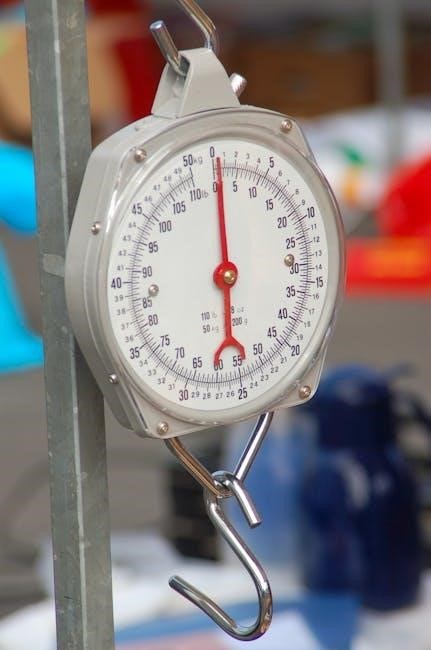
Troubleshooting Common Issues

If your scale isn’t functioning correctly‚ check the batteries‚ ensure proper setup‚ and verify user profile data for accurate readings and error resolution.

Scale Not Turning On

If the scale fails to power on‚ the first step is to verify the battery installation. Ensure the batteries are correctly positioned‚ observing the proper polarity (+ and -) as indicated within the battery compartment. It’s recommended to replace the batteries with a fresh set‚ even if the existing ones appear to have some charge remaining‚ as low battery power can cause intermittent or complete failure to activate the display.

Next‚ confirm that the battery compartment cover is securely fastened. A loose cover can interrupt the electrical connection. If replacing the batteries and securing the cover don’t resolve the issue‚ gently press the power button or step onto the scale to see if that triggers a response. If still unresponsive‚ consult the full instruction manual for specific troubleshooting steps related to your model.

Inconsistent Weight Readings

Experiencing fluctuating or inconsistent weight readings is a common concern. Ensure the scale is placed on a hard‚ level surface; carpets or uneven flooring can significantly impact accuracy. Avoid placing the scale near walls or other objects that might interfere with its operation. Always step onto the scale with both feet‚ distributing your weight evenly.

It’s crucial to weigh yourself at the same time each day‚ preferably in the morning before eating or drinking‚ for consistent results. Minor variations are normal due to daily fluctuations in body water and other factors. If inconsistencies persist‚ try recalibrating the scale according to the instructions in the manual. If problems continue‚ replace the batteries and repeat the setup process.

Error Messages and Their Meanings

Weight Watchers scales utilize error messages to indicate potential issues. A flashing “000” often signals an initial calibration phase or a problem with the weight sensors; ensure the scale is on a level surface and restart it. “Err” or similar codes may indicate overload – exceeding the scale’s weight capacity. Check the scale’s specifications for the maximum weight limit.

If the display shows “Lo” or a battery symbol‚ it signifies low battery power; replace the batteries immediately. Some models display “- ─ -” indicating a system error‚ requiring a reset by removing and reinserting the batteries. Consult your specific model’s manual for a comprehensive list of error codes and their corresponding solutions‚ as interpretations can vary.
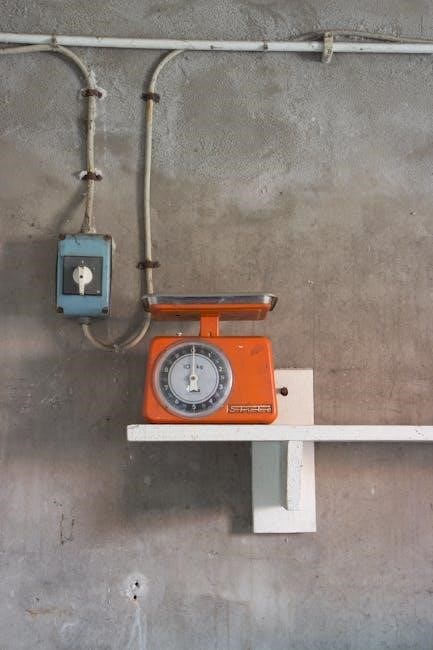
Maintaining Your Weight Watchers Scale

Regular cleaning with a damp cloth ensures accuracy and longevity. Store the scale in a dry place‚ avoiding extreme temperatures and direct sunlight for optimal performance.

Cleaning and Care Instructions

To maintain the accuracy and extend the lifespan of your Weight Watchers scale‚ regular cleaning is essential. Always ensure the scale is turned off before cleaning. Use a slightly damp cloth – avoid excessive water or any cleaning solutions‚ as these can damage the sensors.

Gently wipe the surface of the scale‚ including the platform where you stand‚ to remove any dust or debris. For stubborn marks‚ a mild soap solution can be used‚ but ensure it’s thoroughly wiped away with a clean‚ damp cloth afterward.

Never immerse the scale in water or allow liquids to seep into the internal components. Avoid abrasive cleaners or scouring pads‚ as they can scratch the surface. Proper cleaning will help ensure consistent and reliable readings for years to come.

Storage Recommendations

When not in use‚ store your Weight Watchers scale in a dry‚ cool place‚ away from direct sunlight and extreme temperatures. Avoid storing it in humid environments like bathrooms‚ as moisture can damage the internal components and affect accuracy.

Protect the scale from impacts and heavy objects to prevent damage to the sensors or display. If possible‚ store it in its original packaging or a protective case.

Remove the batteries if the scale will not be used for an extended period to prevent corrosion. Proper storage will ensure your scale remains in optimal condition‚ providing reliable measurements whenever you need them. Handle with care to preserve its functionality.


criminal law joel samaha 12th edition pdf

Overview of Joel Samaha’s Criminal Law, 12th Edition

Joel Samaha’s 12th edition offers a nationally acclaimed, comprehensive analysis of U.S. criminal law, blending insightful analysis with illustrative case studies for students.

Publication Details and Authorship

Criminal Law, 12th Edition, is authored by Joel Samaha, a highly respected figure in legal education. This edition was published by Cengage Learning in 2017. Larry Myers and Laura Myers also contribute to the text, enhancing its scope and depth. The book benefits from reviews by Cram101 Textbook Reviews, Robert Powell, Larry Siegel, Schiller, CTI Reviews, and Eric Chaisson, ensuring academic rigor.

Available in various bindings – Hardcover, Paperback, Loose-leaf, and with accompanying CD – the textbook has seen numerous editions, starting with the 1st and progressing through to the current 12th edition. Samaha’s consistent dedication has made this a cornerstone text for over three decades.

Core Focus and Scope of the Textbook

Joel Samaha’s Criminal Law, 12th Edition, provides a comprehensive overview of U.S. criminal law, meticulously covering essential elements like criminal liability, various defenses, and a wide spectrum of crime types. The textbook aims to equip undergraduate students with a robust understanding of the field.

It emphasizes applying enduring legal foundations and principles to contemporary court cases and specific crimes, fostering critical thinking. The 12th edition incorporates the latest topics and court decisions, ensuring relevance. Furthermore, it’s designed to be a valuable resource beyond the classroom, aided by tools like MindTap, maximizing student success.

Key Concepts Covered in the 12th Edition

The textbook thoroughly explores criminal liability, defenses, and a broad range of crimes, providing students with a solid foundation in legal principles.

Criminal Liability: Elements and Principles

This edition meticulously details the fundamental elements required to establish criminal liability, focusing on actus reus (the guilty act) and mens rea (the guilty mind). Samaha’s work clarifies how these components interact, examining different levels of intent – purpose, knowledge, recklessness, and negligence – and their impact on culpability.

The text further explores causation, connecting the defendant’s actions to the resulting harm. It also delves into concepts like concurrence, ensuring the actus reus and mens rea coincide. Criminal Law, 12th Edition provides a robust understanding of these principles through real-world case illustrations, enabling students to apply theoretical knowledge to practical scenarios and grasp the nuances of criminal responsibility.

Defenses to Criminal Charges

Joel Samaha’s 12th edition provides a thorough examination of various defenses available to criminal charges, categorized as justification, excuse, and procedural defenses. The textbook details defenses like self-defense, necessity, and defense of others, explaining the legal requirements for successful invocation.

It also explores excuse defenses, including insanity, duress, and mistake of fact, analyzing their impact on criminal responsibility. Procedural defenses, such as entrapment and double jeopardy, are also covered in detail. Criminal Law utilizes illustrative case examples to demonstrate how these defenses are applied in practice, offering students a comprehensive understanding of the complexities surrounding criminal culpability and legal challenges.

Types of Crimes: A Categorical Breakdown

Joel Samaha’s 12th edition systematically categorizes crimes, offering a clear understanding of the U.S. legal landscape. The textbook distinguishes between felonies and misdemeanors, based on severity of punishment, and explores inchoate crimes like attempt, conspiracy, and solicitation.

It provides a detailed breakdown of major crime types, including offenses against the person (assault, battery, kidnapping), property crimes (theft, robbery, burglary), and public order crimes. Criminal Law also examines white-collar crimes and emerging offenses. Through real-world examples and case illustrations, students gain insight into the nuances of each category, fostering a comprehensive grasp of criminal classifications.

Specific Crimes Discussed in Detail

Samaha’s text meticulously examines homicide, property crimes, and offenses against the person, utilizing current court cases for practical application and understanding.

Homicide: Murder, Manslaughter, and Related Offenses

Joel Samaha’s Criminal Law, 12th Edition provides a detailed exploration of homicide, dissecting the nuances between murder and manslaughter. The text clarifies varying degrees of murder, including first and second-degree classifications, and their respective mens rea requirements.

Furthermore, it comprehensively covers voluntary and involuntary manslaughter, examining the mitigating circumstances that differentiate them from murder. The book analyzes related offenses, such as felony murder, and explores the legal complexities surrounding assisted suicide and euthanasia.

Through illustrative case examples, students gain a practical understanding of how these principles are applied in real-world scenarios, fostering critical thinking about the legal and ethical dimensions of taking a human life.

Property Crimes: Theft, Robbery, and Burglary

Joel Samaha’s Criminal Law, 12th Edition meticulously examines property crimes, beginning with a detailed analysis of theft – encompassing larceny, embezzlement, and false pretenses. The textbook clarifies the required actus reus and mens rea for each offense, highlighting distinctions crucial for legal application.

Robbery, defined as theft with force or threat of force, receives focused attention, differentiating it from other forms of theft. Burglary, including its various degrees based on entry and intent, is thoroughly explained.

The edition utilizes real-world case illustrations to demonstrate how these concepts translate into practical legal scenarios, enhancing student comprehension of property crime law.

Against the Person: Assault, Battery, and Kidnapping

Joel Samaha’s Criminal Law, 12th Edition provides a detailed exploration of crimes against the person, starting with the nuanced distinctions between assault and battery. The text clarifies the elements of each offense, including the required intent and harmful or offensive contact.

The textbook further delves into various degrees of assault and battery, considering factors like the severity of injury and the use of weapons. Kidnapping, encompassing unlawful seizure and detention, is analyzed with attention to jurisdictional issues and differing state laws.

Case illustrations within the edition demonstrate practical application, solidifying student understanding of these critical concepts.

Features and Learning Tools

Samaha’s 12th edition incorporates real-world examples, MindTap digital resources, and effective study tools to maximize student comprehension and course success.

Case Illustrations and Real-World Examples

Joel Samaha’s Criminal Law, 12th Edition distinguishes itself through its extensive use of compelling case illustrations and relevant, real-world examples. These aren’t merely inserted; they are carefully integrated to demonstrate the practical application of complex legal principles.

Students benefit from seeing how enduring foundations and principles of criminal law play out in current court cases and specific crimes. This approach fosters a deeper understanding beyond rote memorization, enabling students to analyze legal scenarios critically. The textbook doesn’t just state the law; it shows the law in action, making abstract concepts more accessible and engaging. This feature is consistently praised by both instructors and students alike, solidifying its position as a leading textbook in the field.

MindTap Integration and Digital Resources

Criminal Law, 12th Edition by Joel Samaha is powerfully enhanced by its integration with MindTap, a personalized learning experience designed to maximize student success. This digital platform provides interactive exercises, chapter summaries, and practice quizzes, reinforcing key concepts and promoting active learning.

Beyond MindTap, students gain access to a wealth of supplementary digital resources, including online case studies and updated legal materials. These resources ensure the content remains current and relevant. The combination of the textbook’s strong foundational content and these dynamic digital tools creates a comprehensive and effective learning environment, extending the value of the textbook long after graduation.

Study Tools for Enhanced Comprehension

Joel Samaha’s Criminal Law, 12th Edition is designed to foster deep understanding through a variety of integrated study tools. Real-world illustrations and current court cases connect abstract legal principles to practical applications, making the material more accessible and engaging for students.

The textbook also incorporates features specifically aimed at improving comprehension, such as chapter summaries and key term glossaries. These resources help students consolidate their learning and prepare for exams. Coupled with the MindTap digital resources, students have access to a robust suite of tools designed to maximize their course success and long-term retention of the material.

Editions and Formats Available

Samaha’s Criminal Law has been published in numerous editions, from the 1st to the 12th, and is available in hardcover, paperback, and loose-leaf formats.

Comparison of Editions (1st ⎯ 12th)

Throughout its evolution from the 1st edition to the current 12th edition, Joel Samaha’s Criminal Law has consistently maintained its reputation as a leading textbook. Early editions established the foundational analytical approach, while subsequent releases incorporated landmark court cases and evolving legal interpretations.

The 12th edition notably features updated content reflecting recent legal developments and integrates the MindTap digital learning platform. Earlier editions, while covering core principles, lacked the breadth of digital resources now available. Each revision refined the clarity and accessibility of the material, building upon the enduring foundations established decades ago. The progression demonstrates a commitment to staying current while preserving the text’s core strengths.

Available Formats: Hardcover, Paperback, Loose-leaf

Joel Samaha’s Criminal Law, 12th edition, caters to diverse learning preferences with multiple format options. Students can choose from a durable hardcover edition for long-term use, a more portable and cost-effective paperback version, or a flexible loose-leaf format ideal for customized study and note-taking.

These options ensure accessibility and affordability. While a PDF version is often sought, legitimate access requires purchase or institutional subscription. The availability of these physical formats allows students to engage with the material in a way that best suits their individual learning style and budgetary constraints, enhancing the overall educational experience.

The Textbook’s Reception and Impact

Samaha’s Criminal Law has enjoyed sustained instructor adoption for over 30 years, becoming a popular choice due to its clarity and analysis.

Instructor Adoption and Popularity

Joel Samaha’s Criminal Law has maintained a strong presence in undergraduate criminal law courses for more than three decades, demonstrating significant and consistent instructor adoption. This enduring popularity stems from the textbook’s unique blend of rigorous analytical approach and the effective use of illustrative case examples.

Instructors consistently praise the text for its clarity, making complex legal concepts accessible to students. The 12th edition, building upon this established foundation, continues to be a preferred choice for those seeking a comprehensive and well-structured resource. Its reputation for providing a solid understanding of criminal law principles contributes to its widespread use in classrooms across the United States.

Reviews and Critical Analysis

Reviews of Criminal Law, 12th Edition consistently highlight its strength as a pedagogical tool. Critics commend Samaha’s ability to present complex legal doctrines in a clear and understandable manner, making it suitable for students new to the field. The inclusion of current court cases and real-world illustrations enhances comprehension and application of the law.

Some analyses note the textbook’s thorough coverage of essential topics – criminal liability, defenses, and various crime types – as a key strength. While praised for its analytical depth, a few reviews suggest that the extensive case details might require supplemental materials for some learners. Overall, the 12th edition receives positive feedback for its enduring value.

Accessing the 12th Edition PDF

The 12th edition PDF is available through legitimate sources, but users should be mindful of copyright restrictions and ensure legal access.

Legitimate Sources for PDF Download

Obtaining a legal PDF copy of Joel Samaha’s Criminal Law, 12th Edition requires utilizing authorized channels. Cengage Learning, the publisher, often provides access through official platforms with appropriate purchase or institutional subscription. Students enrolled in courses utilizing this textbook may find PDF access via their university’s online learning management systems, like MindTap, which integrates directly with the text.

Furthermore, legitimate eBook retailers, such as VitalSource or RedShelf, offer digital versions for purchase. Avoid unauthorized websites offering free downloads, as these frequently violate copyright laws and may contain malware. Prioritizing legal sources ensures you receive a reliable, uncorrupted copy and supports the author and publisher’s work.

Copyright Considerations and Legal Use

Copyright law strictly protects Joel Samaha’s Criminal Law, 12th Edition. Downloading or distributing unauthorized PDF copies constitutes copyright infringement, carrying potential legal consequences. Legitimate use is confined to individuals who have legally purchased the textbook, either in physical or digital format, or those accessing it through authorized institutional subscriptions.

Fair use exceptions, such as limited excerpts for academic study or criticism, may apply, but wholesale reproduction or distribution remains prohibited. Respecting copyright ensures authors receive compensation for their work and incentivizes continued scholarly contributions. Always verify the source’s legitimacy before downloading and adhere to the publisher’s terms of use.

Joel Samaha’s Approach to Criminal Law

Samaha’s approach emphasizes clarity and analytical rigor, applying enduring legal foundations to contemporary cases, aiding comprehension of criminal law principles.

Analytical Style and Clarity

Joel Samaha’s writing style in the 12th edition of Criminal Law is renowned for its exceptional clarity and analytical depth. He doesn’t simply present the law; he dissects it, explaining the reasoning behind legal principles and how they’ve evolved through case law. This approach allows students to move beyond memorization and truly understand the why behind the rules.

The text avoids overly complex jargon, making challenging concepts accessible without sacrificing accuracy. Samaha masterfully connects enduring foundations of criminal law to current, fascinating court cases, illustrating how these principles are applied in real-world scenarios. This combination of analytical rigor and clear presentation makes the textbook a valuable resource, even beyond the classroom, for anyone seeking a deeper understanding of the American criminal justice system.

Emphasis on Enduring Foundations and Principles

Joel Samaha’s Criminal Law, 12th Edition distinguishes itself by prioritizing the enduring foundations and core principles of criminal law. While incorporating the latest court cases and contemporary issues, the text consistently returns to the fundamental concepts that underpin the entire field.

This approach ensures students grasp the historical context and logical structure of criminal law, rather than simply memorizing current statutes. Samaha emphasizes that laws are not static, but evolve from established principles. By understanding these foundations, students can better analyze new legal developments and predict future trends. This focus provides a lasting framework for comprehending the complexities of the criminal justice system.

leger wine guide

The Léger Wine Guide: A Comprehensive Overview

The Léger Wine Guide‚ born from a family legacy and propelled by the “Drops of God” phenomenon‚ has become a pivotal force in the global wine market.

Its origins trace back to Alexandre Léger’s dedication‚ culminating in a guide renowned for its rigorous methodology and a cellar boasting 87‚000 bottles.

Origins and Founding of the Léger Guide

The Léger Wine Guide didn’t emerge overnight; its foundation is deeply rooted in the personal journey of Alexandre Léger. Initially facing ostracization within French academic circles‚ Léger accepted a teaching position in Tokyo‚ a pivotal move that ultimately shaped his future endeavors. It was during this period of professional transition and dedicated study that the seeds of the guide were sown.

Driven by an unwavering passion for wine and a commitment to meticulous evaluation‚ Léger began to formulate a unique approach to wine criticism. This dedication eventually led to the establishment of the Léger guide‚ a project born from years of accumulated knowledge‚ relentless pursuit of excellence‚ and a desire to share his insights with the world.

The guide’s inception wasn’t merely a professional undertaking; it was a testament to Léger’s unwavering ethic and a response to perceived shortcomings in existing wine evaluation systems. He envisioned a guide that would transcend traditional boundaries and offer a fresh‚ insightful perspective on the world of wine‚ ultimately becoming a benchmark for quality and discernment.

Alexandre Léger: The Visionary Behind the Guide

Alexandre Léger stands as the intellectual and driving force behind the esteemed Léger Wine Guide. Despite possessing “impeccable knowledge‚ passion‚ dedication‚ and ethic” regarding wine‚ some critiques suggest a flawed personal character. This complexity doesn’t diminish his profound impact on the wine world‚ but rather adds a layer of intrigue to his legacy.

His journey wasn’t without obstacles; facing ostracism from French academic circles‚ Léger demonstrated resilience by accepting a teaching position in Tokyo. This experience broadened his perspective and solidified his commitment to developing a revolutionary approach to wine evaluation. He wasn’t simply a critic‚ but a scholar and educator dedicated to unraveling the nuances of each vintage.

Léger’s vision extended beyond mere scoring; he aimed to create a guide that celebrated the artistry and complexity of winemaking. His dedication ultimately resulted in the creation of a guide that has captivated wine enthusiasts and professionals alike‚ solidifying his position as a true visionary in the field.

The Léger Family Legacy and Wine Expertise

The Léger Wine Guide isn’t solely the product of Alexandre Léger’s vision; it’s deeply rooted in a family history steeped in wine appreciation and knowledge. This legacy is powerfully demonstrated through the generations‚ culminating in the extraordinary wine cellar amassed by the family.

This cellar‚ described as “the greatest private wine collection in the world‚” contains a staggering 87‚000 bottles‚ valued at an estimated ¥167 billion (approximately $148 million). Its sheer scale and rarity speak volumes about the Léger family’s dedication to collecting and preserving exceptional wines. This collection isn’t merely a display of wealth‚ but a tangible representation of decades of discerning taste and expertise.

The passing of the torch to Camille Léger‚ as depicted in “Drops of God‚” highlights the continuation of this family tradition. Her training and journey to understand her father’s legacy underscore the importance of inherited knowledge and the enduring power of the Léger family’s influence on the world of wine.

Understanding the Léger Guide’s Methodology

The Léger Guide employs a detailed methodology‚ focusing on sensory evaluation – color‚ aroma‚ and taste – alongside understanding wine breathing and oxidation’s impact on nuanced flavors.

The Scoring System and its Nuances

The Léger Wine Guide’s scoring system isn’t simply a numerical assessment; it’s a complex evaluation built upon layers of sensory analysis and contextual understanding. While the precise mechanics remain somewhat guarded‚ the guide’s reputation hinges on its perceived objectivity and depth. It’s understood that the system doesn’t solely prioritize traditional markers of quality‚ such as oak aging or vineyard prestige.

Instead‚ the scoring heavily emphasizes the wine’s ability to evoke emotion and tell a story. This aligns with Alexandre Léger’s philosophy‚ which valued the subjective experience of wine alongside technical proficiency. The nuances lie in how the guide weighs different sensory attributes – the intensity and complexity of aromas‚ the balance of flavors‚ the length of the finish – and how it accounts for the wine’s intended style and price point.

Furthermore‚ the scoring isn’t static. A wine’s score can evolve over time as it matures and reveals new characteristics. This dynamic approach reflects the understanding that wine is a living entity‚ constantly changing and developing. The guide’s reviewers are trained to identify these subtle shifts and adjust their assessments accordingly‚ ensuring that the scores remain relevant and informative.

Focus on Sensory Evaluation: Color‚ Aroma‚ and Taste

The Léger Wine Guide places paramount importance on sensory evaluation‚ meticulously dissecting each wine’s color‚ aroma‚ and taste profile. As demonstrated in the “Drops of God” series‚ the guide’s methodology emphasizes observing the wine against a white background to accurately assess its hue‚ providing clues to its age and concentration. This visual analysis is merely the starting point.

The guide’s reviewers are trained to systematically analyze the wine’s aromatic complexity‚ initially allowing the wine to “breathe” to release its full spectrum of scents. Subsequent inhalations are encouraged to detect evolving aromas‚ even uncovering unexpected notes like truffle through oxidation. This highlights the dynamic nature of wine perception.

Finally‚ the taste evaluation goes beyond simply identifying flavors. It involves assessing the wine’s structure – its acidity‚ tannins‚ and alcohol – and how these elements interact to create a harmonious and memorable experience. The guide’s scoring reflects not just what you taste‚ but how the wine feels on the palate and the overall impression it leaves.

The Importance of Wine Breathing and Oxidation

The Léger Wine Guide deeply values understanding the transformative effects of wine breathing and oxidation. As vividly illustrated in “Drops of God‚” allowing a wine to breathe isn’t merely a ritual; it’s a crucial step in unlocking its full potential. Initial aromas‚ often dominated by reductive notes‚ give way to a more complex bouquet as the wine interacts with oxygen.

This process of oxidation isn’t detrimental‚ but rather a key component of wine evolution. The guide’s methodology recognizes that certain aromas‚ like the prized truffle notes‚ only emerge after sufficient oxygen exposure. This demonstrates that a wine’s character isn’t static‚ but rather unfolds over time.

Reviewers utilizing the Léger system are trained to assess how a wine changes with aeration‚ noting the development of new scents and flavors. This nuanced understanding of oxidation informs their scoring‚ recognizing wines that benefit from breathing and those that are best enjoyed immediately. It’s a testament to the guide’s commitment to holistic wine evaluation.

The Impact of “Drops of God” on the Guide’s Popularity

The “Drops of God” manga and subsequent TV series dramatically amplified the Léger Guide’s reach‚ captivating audiences with Camille Léger’s training and the allure of the extraordinary 87‚000-bottle cellar.

The Manga and TV Series Influence

The adaptation of Yuko Kōjim’s manga‚ “Drops of God‚” into an Apple TV+ series proved transformative for the Léger Wine Guide’s visibility and public perception. The series intricately weaves the guide’s principles into its narrative‚ showcasing the meticulous wine-tasting techniques championed by Alexandre and‚ later‚ Camille Léger.

Episode 2‚ in particular‚ highlights crucial sensory evaluation methods – observing color against a white backdrop to assess age and intensity‚ and the importance of allowing wine to “breathe” to unlock evolving aromas. This visual demonstration resonated with viewers‚ demystifying the often-intimidating world of wine appreciation.

The series doesn’t merely present the guide as a tool; it embodies its philosophy. The narrative centers around deciphering Alexandre Léger’s cryptic notes within the guide‚ turning each bottle into a puzzle and elevating the act of tasting into a thrilling investigation. This narrative structure effectively communicates the depth and complexity inherent in the Léger Guide’s methodology‚ attracting a broader audience beyond dedicated wine connoisseurs.

Furthermore‚ the series’ global reach introduced the Léger Guide to international markets‚ fostering a newfound curiosity and demand for its reviews and recommendations.

Camille Léger’s Training and Wine Technique

Camille Léger’s journey from a medical professional to a sommelier is central to the “Drops of God” narrative‚ and showcases the rigorous training demanded by her father‚ Alexandre. Initially hesitant‚ Camille’s immersion into the world of wine is depicted as a challenging yet transformative process‚ emphasizing the importance of sensory evaluation and a deep understanding of vinification.

The series meticulously illustrates her development of crucial techniques‚ such as analyzing wine color against a neutral surface to discern age and boldness. She learns to patiently allow wines to breathe‚ recognizing how oxidation unlocks hidden aromatic complexities – even revealing notes like truffle.

Her training isn’t simply about identifying flavors; it’s about understanding the story each wine tells‚ a legacy instilled by Alexandre. This approach aligns perfectly with the Léger Guide’s emphasis on holistic assessment‚ considering not just taste‚ but also aroma‚ color‚ and the wine’s overall character.

Camille’s dedication and evolving expertise become a testament to the Léger family’s commitment to wine knowledge and a driving force within the series’ plot.

The Wine Cellar: A Collection of Unparalleled Value

At the heart of the “Drops of God” saga lies Alexandre Léger’s extraordinary wine cellar‚ a collection widely regarded as the greatest private assemblage in the world. Comprising a staggering 87‚000 bottles‚ it’s not merely a repository of rare vintages‚ but a tangible representation of a lifetime dedicated to the pursuit of vinous excellence.

The cellar’s value is estimated at an astounding ¥167 billion (approximately $148 million)‚ reflecting the rarity‚ age‚ and provenance of its contents. It’s a treasure trove of both celebrated and obscure wines‚ meticulously curated by Alexandre over decades of global exploration and discerning acquisitions.

This collection isn’t simply about monetary worth; it embodies a profound understanding of wine history‚ terroir‚ and the artistry of winemaking. The cellar serves as a central plot device‚ driving the narrative as Camille and Luca navigate its secrets‚ each bottle holding clues to their father’s legacy and the future of the Léger Guide.

Its sheer scale and unparalleled quality elevate the Léger family’s reputation and underscore their profound influence within the wine world.

Controversies and Challenges Surrounding the Guide

The Léger Guide faces scrutiny regarding potential conflicts of interest‚ with allegations of insider trading fueled by early access to reviews and Luca’s questionable motivations.

Luca’s Motivations and Potential Conflicts of Interest

Luca’s character within the “Drops of God” narrative presents a complex web of motivations‚ raising significant questions about potential conflicts of interest surrounding the Léger Wine Guide. He displays a fervent ambition‚ seemingly driven by a desire to control or manipulate the wine market for personal gain‚ rather than a genuine passion for oenology.

Evidence suggests a clandestine collaboration between Luca and the guide’s editor‚ granting him privileged access to forthcoming reviews. This illicit arrangement allows Luca to strategically invest in wines predicted to receive favorable ratings‚ subsequently profiting from their increased market value. Conversely‚ he capitalizes on negative reviews by selling off wines anticipated to decline in popularity – a clear case of insider trading.

His intense reaction to Camille’s decision to forgo inheriting the guide further underscores his manipulative tendencies. It’s implied that Luca envisioned leveraging the guide’s influence to further his own financial objectives‚ and Camille’s independence threatens those plans. While possessing a degree of wine knowledge‚ Luca’s actions demonstrate a prioritization of profit over ethical considerations‚ casting a shadow over the integrity of the Léger Guide.

Insider Trading Concerns and Early Access to Reviews

The Léger Wine Guide’s influence on the wine market has unfortunately attracted concerns regarding insider trading‚ fueled by allegations of premature access to reviews. A central figure in these accusations is Luca‚ who appears to have cultivated a relationship with the guide’s editor to obtain advanced copies of forthcoming evaluations.

This privileged access allowed Luca to engage in potentially illegal and unethical practices. By knowing which wines would be positively reviewed‚ he could purchase them before publication‚ anticipating a surge in demand and subsequent price increases. Conversely‚ he could offload wines expected to receive unfavorable ratings‚ mitigating potential losses;

Reddit discussions and observations within the “Drops of God” series highlight this pattern‚ suggesting a deliberate scheme to exploit the guide’s power for financial gain. This raises serious questions about the fairness and transparency of the Léger Guide‚ and whether its ratings are truly objective or susceptible to manipulation. The integrity of the guide‚ and the trust placed in its assessments‚ are directly threatened by these allegations of illicit activity.

Alexandre Léger’s Personal Life and Professional Reputation

Alexandre Léger‚ the founder of the esteemed wine guide‚ presents a complex figure – a brilliant palate and dedicated professional‚ yet seemingly flawed in his personal conduct. His story reveals a man ostracized by the French academic wine community‚ leading him to accept a teaching position in Tokyo‚ a move suggesting professional setbacks alongside unwavering passion.

Despite his impeccable knowledge‚ dedication‚ and ethical approach to wine itself‚ criticisms paint him as a “terrible human‚” hinting at interpersonal difficulties and a potentially abrasive personality. This dichotomy – professional excellence versus personal failings – casts a shadow over his legacy and raises questions about the motivations behind the Léger Guide’s creation.

The establishment of the guide itself can be viewed as a response to his exclusion from traditional French circles‚ a means of asserting his expertise on his own terms. His personal life‚ therefore‚ is inextricably linked to the guide’s origins and continues to fuel speculation about its underlying purpose and potential biases.

The Future of the Léger Wine Guide

The Léger Guide faces expansion possibilities via digital platforms‚ demanding maintained integrity and unbiased evaluations. Its role in the global wine market remains significant and evolving.

Potential for Expansion and Digital Platforms

The Léger Wine Guide’s future undoubtedly lies in embracing digital platforms‚ moving beyond its traditional printed format to reach a wider‚ more engaged audience. This expansion isn’t merely about accessibility; it’s about enhancing the user experience with interactive features. Imagine a digital Léger Guide offering virtual wine tastings‚ detailed vineyard maps‚ and personalized recommendations based on user preferences.

A dedicated mobile application could allow users to scan wine labels‚ instantly accessing Léger Guide reviews and scores. Furthermore‚ integrating augmented reality could bring wine regions to life‚ offering immersive experiences. Social media integration would foster a community of wine enthusiasts‚ facilitating discussions and knowledge sharing.

However‚ this digital shift must be carefully managed. Maintaining the guide’s reputation for objectivity and avoiding the pitfalls of algorithmic bias are crucial. The challenge lies in leveraging technology to enhance‚ not compromise‚ the Léger Guide’s core values of rigorous evaluation and insightful commentary. A subscription model offering exclusive content and early access to reviews could also be explored‚ ensuring the guide’s financial sustainability in the digital age.

Maintaining Integrity and Avoiding Bias

The Léger Wine Guide’s enduring success hinges on preserving its integrity and fiercely guarding against any perception of bias. Recent controversies‚ such as concerns regarding insider trading and potential conflicts of interest surrounding Luca’s motivations‚ underscore the importance of robust ethical safeguards. Transparency is paramount; the guide must clearly disclose any potential affiliations or relationships that could influence its reviews.

Independent auditing of the scoring process and reviewer training are essential to ensure consistency and objectivity. The guide should actively resist external pressures from wineries or industry stakeholders. Furthermore‚ diversifying the panel of tasters‚ bringing in voices from different backgrounds and perspectives‚ can mitigate unconscious biases.

The legacy of Alexandre Léger‚ built on dedication and passion‚ demands a commitment to unbiased evaluation. While digital platforms offer exciting opportunities‚ they also present new challenges in maintaining editorial control and preventing manipulation. Upholding these principles is not merely a matter of reputation; it’s fundamental to the guide’s credibility and its role in shaping the global wine landscape.

The Guide’s Role in the Global Wine Market

The Léger Wine Guide has rapidly ascended to become a significant influencer within the global wine market‚ impacting consumer choices and driving demand. The surge in popularity‚ fueled by the “Drops of God” manga and subsequent TV series‚ has broadened its reach beyond traditional wine connoisseurs‚ attracting a new generation of enthusiasts.

The guide’s detailed reviews and scoring system provide a benchmark for quality‚ influencing wine pricing and distribution. Wineries actively seek favorable ratings‚ recognizing the substantial commercial benefits. The existence of a wine cellar valued at an estimated ¥167 billion (approximately $148 million) further elevates the guide’s prestige and authority.

However‚ this influence carries responsibility. The guide’s power to make or break a wine’s reputation necessitates careful consideration and ethical conduct. As it expands into digital platforms‚ its role will likely evolve‚ potentially shaping future trends and fostering greater accessibility within the wine world.

lae controller manual

Lae Controller Manual: An Overview

This manual details the Lae ELECTRONIC AC1-5 controller, vital for industrial operations in Papua New Guinea’s key cargo hub and Highlands gateway.

Lae, Papua New Guinea’s second largest city, serves as a crucial industrial and manufacturing center, and a pivotal cargo port for the nation’s Highlands region. Its strategic location on the Huon Gulf facilitates the export of goods produced inland, making it a key economic hub. The city’s infrastructure, though impacted by recent seismic activity, remains vital.

As a gateway to the Highlands, Lae supports diverse industries, from agriculture – showcased at the Markham Market and Morobe Show – to manufacturing. The Lae ELECTRONIC AC1-5 controller plays a critical role in maintaining operational efficiency within these sectors, ensuring smooth production and export processes.

Understanding the Lae Electronic AC1-5 Controller

The Lae ELECTRONIC AC1-5 is a two-channel universal controller designed for robust performance in demanding industrial environments, particularly within Lae’s manufacturing and processing facilities. This controller is engineered to manage and optimize various processes, contributing to the efficient operation of key industries reliant on the city’s port and Highlands connections.

Its functionality is essential for maintaining consistent output in sectors handling regional produce, coffee, and manufactured goods. The AC1-5’s reliability is paramount given Lae’s role as PNG’s primary export hub and its susceptibility to natural events like earthquakes.

Controller Features and Specifications

The AC1-5 controller boasts universal functionality, two-channel operation, and is built for Lae’s industrial demands, ensuring reliable process control and optimization.

AC1-5 Controller: Core Functionality

The Lae ELECTRONIC AC1-5 controller serves as a robust, two-channel universal control system, designed to manage diverse industrial processes within Lae’s manufacturing and cargo sectors. It’s engineered to handle the demands of PNG’s Highlands production flow, facilitating efficient export operations through the city’s vital port.

Its core function revolves around precise monitoring and regulation of key parameters, ensuring optimal performance and stability. The controller’s adaptability makes it suitable for a wide range of applications, contributing to Lae’s role as a major industrial hub. It’s a critical component for maintaining operational efficiency in a challenging environment.

Technical Specifications of the AC1-5

The AC1-5 controller boasts a wide input voltage range, accommodating Lae’s potentially fluctuating power supply. It features two independent channels for versatile control, alongside robust protection circuits against power surges common in industrial settings.

Its construction utilizes industrial-grade components, ensuring reliability in Lae’s humid climate and demanding operational conditions. Detailed specifications, including relay capacity, sensor compatibility, and communication interface details, are available in the full instruction manual (PDF format). This ensures optimal integration within existing systems supporting PNG’s industrial output.

Power Requirements and Operating Conditions

The AC1-5 controller operates on a 230V AC, 50Hz power supply, standard for Lae’s industrial infrastructure. A stable power source is crucial, given potential fluctuations impacting PNG’s electrical grid.

Optimal operating temperatures range from 0°C to 50°C, accommodating Lae’s tropical climate. Humidity should be maintained below 95% non-condensing to prevent corrosion. Proper grounding is essential for safety and performance, particularly considering Lae’s high annual rainfall. Adherence to these conditions ensures reliable operation and longevity of the controller.

Installation and Setup

Proper installation is key for reliable AC1-5 operation in Lae’s industrial environment, ensuring connectivity to PNG Highlands export routes and power systems.

Unpacking and Initial Inspection

Upon receiving the Lae ELECTRONIC AC1-5 controller, carefully inspect the packaging for any signs of damage incurred during transit, particularly relevant given Lae’s infrastructure challenges.

Verify that all components listed on the packing slip are present, including the controller unit itself, mounting hardware, and this instruction manual.

Thoroughly examine the controller for any physical defects, such as cracks, dents, or loose connections.

Report any discrepancies or damage immediately to the supplier and shipping carrier.

Do not attempt to operate a damaged controller; doing so could compromise safety and performance in Lae’s demanding industrial setting.

Mounting the AC1-5 Controller

Securely mount the Lae ELECTRONIC AC1-5 controller in a clean, dry location, protected from excessive dust, humidity, and vibration – factors common in Lae’s industrial environment.

Utilize the provided mounting hardware, ensuring a firm and stable attachment to a suitable surface.

Maintain adequate ventilation around the controller to prevent overheating, crucial given Lae’s tropical climate and high rainfall (5 meters annually).

Avoid mounting near strong electromagnetic interference sources.

Ensure easy access for inspection, maintenance, and parameter adjustments, considering Lae’s role as a major cargo port and manufacturing hub.

Wiring Diagrams and Connections

Refer to the detailed wiring diagrams included in this manual for proper connection of the Lae ELECTRONIC AC1-5 controller.

Ensure all power is disconnected before making any connections, prioritizing electrical safety in Lae’s industrial settings.

Utilize appropriately sized wiring, conforming to Papua New Guinea electrical standards, to handle the controller’s power requirements.

Double-check all connections for tightness and correct polarity, vital for reliable operation in Lae’s challenging environment.

Ground the controller properly to prevent electrical hazards, especially considering Lae’s high humidity and potential for seismic activity.

Input/Output Configuration

The Lae ELECTRONIC AC1-5 controller features versatile input/output (I/O) capabilities for diverse industrial applications within Lae’s manufacturing hub.

Configure inputs to receive signals from sensors monitoring critical parameters in processes exporting goods from PNG’s Highlands.

Utilize outputs to control actuators, valves, and other devices, ensuring efficient operation of systems in Lae’s port facilities.

Parameterize I/O modules according to specific requirements, adapting the controller to various industrial needs.

Proper I/O configuration is crucial for optimal performance and reliable control in Lae’s demanding industrial landscape.

Operational Procedures

Follow detailed startup and shutdown sequences for the AC1-5 controller, essential for Lae’s industrial operations and consistent performance of vital systems.

Controller Startup and Shutdown

Prior to initiating the Lae ELECTRONIC AC1-5 controller, verify all wiring connections align with the documented diagrams, crucial for Lae’s industrial infrastructure. Begin by applying power, observing the indicator lights for proper initialization. Allow a 60-second stabilization period before engaging control functions. For shutdown, reverse the process – disengage control, then remove power. Never abruptly disconnect power during operation, as this could damage components and disrupt critical processes within Lae’s cargo port or Highlands supply chains. Always document startup and shutdown times for maintenance logs, supporting consistent performance in Papua New Guinea’s economic hub.

Basic Operation and Control Modes

The Lae ELECTRONIC AC1-5 controller offers several operational modes tailored for Lae’s diverse industrial applications, from cargo handling to Highlands resource processing. Manual mode allows direct operator control, while automatic mode executes pre-programmed sequences. A crucial feature is the remote control capability, enabling oversight of operations within Lae’s expansive port facilities; Parameter adjustments influence control sensitivity and response times. Understanding these modes is vital for optimizing performance and ensuring reliable operation, particularly given Lae’s role as a gateway to Papua New Guinea’s economic heartland.

Parameter Setting and Adjustment

Precise parameter setting is critical for the Lae ELECTRONIC AC1-5 controller’s optimal performance within Lae’s industrial environment. Adjustments influence sensitivity, response times, and operational ranges, accommodating diverse applications – from Markham Market’s cooling systems to Highlands Highway transport logistics. Careful calibration is essential, considering Lae’s humid climate and potential seismic activity (recent earthquakes). Refer to the detailed manual for specific parameter definitions and recommended values. Incorrect settings can impact efficiency and potentially compromise system stability in this vital PNG cargo hub.

Monitoring System Performance

Regularly monitoring the Lae ELECTRONIC AC1-5 controller is crucial, especially given Lae’s role as PNG’s industrial heart and major cargo port. Track key metrics like input/output signals, operating temperatures, and error logs. Consistent monitoring helps detect anomalies potentially caused by Lae’s environmental factors – high rainfall, humidity, or seismic events. Utilize the controller’s diagnostic features and data logging capabilities (if equipped) to identify trends and proactively address issues. This ensures reliable operation supporting the Highlands region’s export needs and Lae’s economic stability.

Troubleshooting

Addressing issues promptly is vital in Lae’s industrial context. This section details common AC1-5 controller problems, error codes, and reset procedures for minimal downtime.

Common Issues and Solutions

Frequent AC1-5 controller issues in Lae’s demanding industrial environment often stem from power fluctuations, given PNG’s infrastructure challenges, particularly post-earthquake. Check power supply voltage and connections first. Communication failures can occur; verify cabling and protocol settings. Input signal discrepancies might indicate sensor problems or wiring errors – inspect thoroughly. Overheating, common in Lae’s humid climate, requires ensuring adequate ventilation. If the controller locks up, attempt a soft reset. For persistent errors, consult the error code diagnostics section, and if unresolved, contact technical support immediately to minimize production disruptions in this vital cargo hub.

Error Codes and Diagnostics

The AC1-5 controller utilizes a comprehensive error code system for rapid fault identification. Code E01 indicates a power supply issue, requiring voltage verification. E02 signals input signal failure – check sensor connections. E03 denotes communication errors; inspect cabling and protocol settings. Over-temperature is flagged by E04, necessitating ventilation checks. A critical system error is represented by E05, demanding immediate technical support contact. Detailed diagnostic procedures for each code are outlined in Appendix A. Remember Lae’s challenging environment can exacerbate issues; regular checks are crucial for maintaining operational efficiency.

Resetting the Controller

The AC1-5 controller offers two reset options: a soft reset and a hard reset. A soft reset, initiated via the control panel, restarts the software without altering parameters – useful for minor glitches. A hard reset, accessed through the recessed button on the rear panel, restores factory default settings. Caution: Hard resets erase all custom configurations! Before a hard reset, document all settings. Given Lae’s industrial environment and potential power fluctuations, regular backups are recommended. Always allow the controller a full reboot cycle post-reset before resuming operations.

Safety Precautions

Always adhere to electrical safety guidelines during installation and maintenance, considering Lae’s humid climate and potential infrastructure vulnerabilities.

Electrical Safety Guidelines

Prior to any work on the AC1-5 controller, disconnect all power sources to prevent electrical shock. Given Lae’s environment and potential infrastructure issues – including impacts from earthquakes – ensure grounding is verified before operation.

Use insulated tools and wear appropriate personal protective equipment (PPE). Regularly inspect wiring for damage, especially considering the high rainfall in Lae (5 meters annually).

Never operate the controller with wet hands or in damp conditions. Adhere to Papua New Guinea electrical codes and regulations. Qualified personnel should perform all electrical work and maintenance.

Environmental Considerations

Lae’s lush, green environment and high annual rainfall (5 meters) necessitate protecting the AC1-5 controller from moisture and humidity. Ensure adequate ventilation to prevent overheating, crucial given the tropical climate.

Dispose of any replaced components responsibly, adhering to Papua New Guinea’s environmental regulations. Consider the controller’s operational impact on Lae’s ecosystem, a vital hub for regional produce.

Minimize energy consumption during operation. Be mindful of potential disruptions caused by natural events like earthquakes, common in the region, and plan for protective measures.

Emergency Procedures

In the event of an earthquake – frequent in Lae – immediately shut down the AC1-5 controller following the ‘Controller Startup and Shutdown’ procedure. Disconnect the power supply to prevent electrical hazards.

If smoke or unusual odors are detected, evacuate the area and contact qualified personnel. Do not attempt to repair the controller yourself.

For electrical emergencies, follow established safety guidelines and ensure the area is secure before re-establishing power. Familiarize personnel with emergency contact information for technical support.

Maintenance and Repair

Regular cleaning and inspection are crucial, given Lae’s humid climate and high rainfall. Component replacement should only be performed by qualified technicians.

Routine Maintenance Schedule

To ensure optimal performance of the Lae ELECTRONIC AC1-5 controller within Lae’s industrial environment, a strict maintenance schedule is recommended. Monthly inspections should verify secure wiring connections, given potential vibrations from cargo handling. Quarterly, check for dust and debris accumulation, especially considering Lae’s rainfall and humidity.

Semi-annually, inspect cooling fans and vents for obstructions. Annually, a full diagnostic check, including parameter verification, is vital. Given Lae’s susceptibility to earthquakes, post-event inspections are critical. Document all maintenance activities meticulously, referencing the controller’s serial number and date.

Cleaning and Inspection

Regular cleaning of the Lae ELECTRONIC AC1-5 controller is crucial, particularly due to Lae’s humid climate and high rainfall (5 meters annually). Use a soft, dry cloth to wipe down the exterior, avoiding abrasive cleaners. Inspect the enclosure for any signs of damage, especially after seismic events, common in the region.

Carefully examine wiring connections for corrosion or looseness. Check the air vents for blockage from dust and debris, impacting cooling efficiency. Internal inspection should only be performed by qualified personnel, ensuring power is disconnected. Document any findings and corrective actions taken.

Component Replacement

Component replacement on the Lae ELECTRONIC AC1-5 controller requires qualified technicians due to its critical role in Lae’s industrial output and Highlands supply chain. Always use genuine Lae replacement parts to maintain performance and warranty validity. Before any replacement, ensure complete power disconnection and proper grounding.

Document the removed component’s location and specifications. Following replacement, thoroughly test the controller’s functionality, verifying all input/output signals. Consider the impact of potential earthquakes on component integrity and stock spares accordingly.

Lae City Context & Infrastructure

Lae’s role as PNG’s industrial hub and major cargo port necessitates reliable control systems like the AC1-5, supporting Highlands production and export.

Lae as a Major Cargo Port

As Papua New Guinea’s largest cargo port, Lae handles the vast majority of goods moving to and from the Highlands region. This critical infrastructure relies heavily on automated systems for efficient operation, making precise control essential. The Lae ELECTRONIC AC1-5 controller plays a vital role in optimizing port processes, ensuring smooth material handling, and maintaining consistent throughput. Its robust design is suited for the demanding port environment, contributing to reliable export of regional produce, coffee, and manufactured goods. Effective control systems are paramount for Lae’s economic function.

Lae’s Role in PNG’s Highlands Region

Lae serves as the primary transport link between PNG’s Highlands and the global market, making reliable industrial control systems crucial. The AC1-5 controller supports industries processing Highlands produce – coffee, crafts, and other goods – ensuring consistent quality and efficient distribution. Its functionality is vital for maintaining the flow of materials along the Highlands Highway. Precise control minimizes downtime and optimizes production, directly impacting the economic viability of the region and supporting its role as a key agricultural center.

Impact of Recent Earthquakes on Infrastructure

Recent seismic activity in Lae underscores the need for robust and reliable control systems like the AC1-5. Earthquakes can disrupt power supplies and damage critical infrastructure, potentially halting industrial processes. The controller’s ability to maintain stable operation, even during tremors, is paramount. Implementing redundant systems and ensuring quick reset capabilities – detailed in this manual – minimizes downtime and safeguards production. Regular inspection, as outlined, helps identify earthquake-related damage and prevents catastrophic failures within industrial facilities.

Advanced Features (If Applicable)

The AC1-5 controller supports data logging for performance analysis and remote control via communication protocols, enhancing operational efficiency in Lae’s industrial landscape.

Remote Control Capabilities

The Lae ELECTRONIC AC1-5 controller offers robust remote control functionality, crucial for managing operations across Lae’s expansive industrial zones and the challenging Highlands terrain. Utilizing established communication protocols, operators can monitor and adjust controller parameters from a centralized location, minimizing downtime and maximizing efficiency. This is particularly valuable given Lae’s role as PNG’s primary cargo port and manufacturing hub. Remote access allows for swift responses to system changes, even during periods of limited on-site access, ensuring continuous operation of critical infrastructure. Secure connections safeguard against unauthorized access, maintaining system integrity.

Data Logging and Analysis

The Lae ELECTRONIC AC1-5 controller incorporates comprehensive data logging capabilities, essential for optimizing performance within Lae’s industrial landscape. It continuously records key operational parameters, providing a detailed historical record for analysis. This data aids in identifying trends, predicting potential failures, and improving overall system efficiency – vital given Lae’s importance as a cargo hub and its vulnerability to events like earthquakes. Downloadable logs facilitate proactive maintenance and informed decision-making, supporting uninterrupted operation of critical infrastructure in PNG’s Highlands region and beyond.

Communication Protocols

The Lae ELECTRONIC AC1-5 controller supports multiple communication protocols, enabling seamless integration within complex industrial networks serving Lae’s manufacturing and cargo operations. These protocols facilitate remote monitoring and control, crucial for a city acting as a gateway to PNG’s Highlands; Supported standards allow for data exchange with supervisory systems, enhancing operational visibility and responsiveness. Reliable communication is paramount, especially considering Lae’s role in exporting Highlands production and its susceptibility to infrastructure disruptions, like those caused by seismic activity;

Manual Updates and Support

Access the latest AC1-5 manual version online, and contact dedicated technical support for assistance with this vital controller used in Lae’s industrial hub.

Accessing the Latest Manual Version

To ensure optimal performance and safety when utilizing the Lae ELECTRONIC AC1-5 controller, always refer to the most current version of this manual. Updates reflect improvements, address potential issues discovered in the field within Lae’s industrial environment, and incorporate feedback from users operating in Papua New Guinea’s challenging conditions.

The latest manual is available for download as a PDF document from the official Lae Electronics website. Regularly check for updates, especially after significant operational changes or reported anomalies. Maintaining an up-to-date manual is crucial for effective troubleshooting and maximizing the controller’s lifespan, supporting Lae’s vital cargo operations.

Contacting Technical Support

For any issues or questions regarding the Lae ELECTRONIC AC1-5 controller not addressed within this manual, please reach out to our dedicated technical support team. We understand the critical role this controller plays in Lae’s industrial infrastructure and PNG’s Highlands supply chain.

Support is available via phone and email, with response times prioritized based on urgency. When contacting support, please have your controller’s serial number and a detailed description of the problem ready. Our team is committed to providing prompt and effective assistance to minimize downtime and ensure continued operation within Lae’s demanding environment.

Warranty Information

The Lae ELECTRONIC AC1-5 controller is covered by a comprehensive one-year warranty from the date of purchase, protecting against defects in materials and workmanship. This warranty is crucial for operations within Lae’s industrial landscape and its role as a vital cargo port for PNG’s Highlands region.

The warranty excludes damage resulting from misuse, improper installation, or environmental factors like the region’s high rainfall. To initiate a warranty claim, please contact technical support with proof of purchase and a detailed description of the issue. We are dedicated to ensuring reliable performance.