
Overview of Ordination Questions and Answers PDF
The PDF compiles core ordination questions from the 2009 APC Assembly, covering salvation, predestination, and church doctrine. It lists question types—true/false, multiple choice, essays—and outlines the credentialing process for candidates. Includes concise study guides interview prep tips!!
What the PDF Contains
The PDF is a compact reference for candidates preparing for ordination. It begins with a curated list of the most frequently asked questions from the 2009 APC General Assembly, including topics such as salvation, predestination, the judgment seat, and the nature of the church. Each question is accompanied by a concise model answer that demonstrates the theological depth and clarity expected of a candidate. The document also offers brief explanatory notes that highlight key scriptural passages and doctrinal points, allowing readers to see how the answers are grounded in biblical text. In addition, the PDF contains a section of suggested study resources, pointing to seminary texts, commentaries, and online lecture series that cover systematic theology, Reformed doctrine, and ecclesiology. A short guide on how to structure written responses is included, emphasizing the importance of logical flow, scriptural citation, and personal reflection. Finally, the PDF provides a quick‑reference table of common theological terms and their definitions, helping candidates to ensure precise language in their written and oral presentations. Additional sections provide a FAQ covering procedural queries like credentialing timelines and presbytery roles, and a checklist ensuring answers meet biblical fidelity and theological soundness. A brief historical overview of the APC ordination process traces its evolution from early church practices to modern standards, giving context to the candidate’s responsibility. The PDF ends with a motivational note urging humility, diligence, and lifelong learning. and daily devotion! through prayer and reflect.
How It Is Structured
The PDF is organized into three primary sections to guide candidates through the ordination preparation process. First, a “Question Bank” lists each inquiry in a numbered format, followed by a short answer that demonstrates the theological depth required. Each entry is accompanied by a “Scriptural Anchor” that cites the biblical basis for the response, ensuring candidates can reference Scripture directly during their exam. Second, a “Thematic Index” groups questions by doctrinal theme—Salvation, Predestination, Ecclesiology, and Christology—allowing candidates to focus study on specific theological clusters. The index includes page references for quick navigation. Third, a “Study Toolkit” offers recommended reading, online resources, and practice exercises. This section contains annotated references to seminary texts, commentaries, and video lectures that align with the APC’s Reformed tradition. A “Response Blueprint” outlines the structure of written answers, emphasizing clarity, scriptural citations, and personal application. Finally, a “Credentialing Flowchart” visually maps the steps from initial application to final approval, detailing timelines, required documentation, and the roles of credentialing councils and assemblies. The PDF’s layout is designed for both quick reference and in‑depth study, with clear headings, numbered lists, and color‑coded sections to aid memory retention during exam preparation. Lorem ipsum dolor sit amet, consectetur adipiscing elit. Sed do eiusmod tempor incididunt ut labore et dolore magna aliqua. Ut enim ad minim veniam, quis nostrud exercitation ullamco laboris nisi ut aliquip ex ea commodo consequat. Duis aute irure dolor in reprehenderit in voluptate velit esse cillum dolore eu fugiat nulla pariatur. Excepteur sint occaecat cupidatat non proident, sunt in culpa qui officia deserunt mollit anim id est laborum.

Core Theological Topics Covered
The PDF examines salvation, predestination, election, Christology, ecclesiology, soteriology, covenant theology, and the role of Scripture. Each topic includes key questions, doctrinal summaries, and scriptural references for exam readiness. Candidates must examine the role of grace and covenant daily.
Questions on Salvation and Soteriology
The PDF’s salvation module probes foundational doctrines, beginning with the nature of sin and humanity’s fallen state. Candidates must articulate the biblical premise that all have sinned and are in need of redemption. Next, the text demands a clear exposition of justification by faith, emphasizing the role of Christ’s atoning death and the believer’s reception of grace through faith alone. The discussion then shifts to sanctification, requiring an explanation of the progressive transformation of the believer, the interplay between divine empowerment and human responsibility, and the evidence of spiritual growth. Candidates are also asked to address the doctrine of perseverance, clarifying the distinction between true believers and those who fall away, and the assurance of final salvation. The PDF includes scriptural support, citing passages such as Romans 3:23–24, Ephesians 2:8–9, 2 Corinthians 5:17, and Philippians 1:6. It further explores the relationship between grace and works, stressing that good works are the fruit of a regenerated life, not the basis for salvation. The module concludes with a synthesis of soteriological themes, urging candidates to integrate these doctrines into pastoral teaching, preaching, and counseling, thereby demonstrating theological depth and pastoral sensitivity. Additionally, the PDF prompts candidates to reflect on soteriology’s implications for church life, that honor God. This emphasis ensures clarity, daily practical ministry impact!
Questions on Predestination and Election
Candidates must first define predestination as God’s sovereign decree that chooses certain individuals for salvation, independent of any foreseen merit. The PDF requires a concise explanation of the twofold nature of election: unconditional election, grounded in divine grace, and limited election, focusing on those who will ultimately be saved. Scriptural anchors such as Ephesians 1:4‑5, Romans 9:11‑24, and John 6:44 are cited, demanding that candidates articulate how these passages support the doctrine. The text also probes the relationship between God’s foreknowledge and human free will, urging candidates to reconcile the tension between divine sovereignty and human responsibility. Candidates should discuss the concept of “double predestination,” explaining that God’s decree includes both the saving and non‑saving of individuals, while emphasizing that the non‑saving decree is not a condemnation but a lack of election. The PDF further asks for an analysis of the “remnant” doctrine, where God preserves a faithful group for His purposes. Candidates must demonstrate how election informs pastoral care, preaching, and church governance, ensuring that the doctrine is not merely theoretical but applied in ministry. The module concludes with a reflection on the assurance of election, encouraging candidates to convey confidence in God’s unchanging purpose, thereby fostering spiritual confidence among congregants. Additionally, the PDF requires candidates to explain how election coexists with the concept of the “visible church,” ensuring that the doctrine is applied in preaching, teaching, and pastoral care, while avoiding any sense of favoritism or exclusivity that could undermine the inclusive nature of the gospel for all believers in the church daily.

Exam Format and Credentialing Process
The exam blends true/false, multiple‑choice, matching, short answer, and essay questions. Credentialing councils may add items. Candidates review systematic theology and Reformed doctrine. Answers are submitted in writing and evaluated by the council. The process upholds doctrinal and equips leaders.
Types of Questions (True/False, Multiple Choice, Essay)
Candidates encounter a structured mix of question formats designed to assess doctrinal depth, analytical skill, and practical application. The True/False section presents concise statements that test foundational knowledge of Reformed theology, requiring quick recognition of affirmations versus misstatements. Multiple‑choice items expand on this by offering nuanced answer choices, challenging examinees to differentiate subtle theological distinctions and to apply scriptural exegesis to doctrinal scenarios. Essay prompts demand comprehensive written responses, compelling candidates to articulate coherent theological arguments, reference biblical passages, and demonstrate the ability to synthesize complex doctrines into persuasive expositions. The combination of these formats ensures a holistic evaluation of a candidate’s readiness for ministry, balancing factual recall with critical thinking and written communication.
In addition to the formats above, PDF outlines specific question themes such as soteriology, covenant theology, and ecclesiology. Candidates are encouraged to prepare concise doctrinal statements, practice expository preaching outlines, and engage in mock oral exams. The credentialing council reviews written submissions for theological accuracy, logical coherence, and biblical fidelity. Successful candidates demonstrate mastery of Reformed orthodoxy and pastoral sensitivity, qualifying them for ministry service.
Role of Credentialing Councils and Assemblies
The credentialing councils serve as the final gatekeepers of ministerial readiness, ensuring that candidates meet doctrinal, ethical, and pastoral standards before ordination. These bodies review written responses, conduct oral interviews, and assess theological depth through a combination of true/false, multiple‑choice, and essay questions. They also consider the candidate’s practical ministry experience, character, and commitment to the church’s mission. Assemblies, on the other hand, provide the broader ecclesiastical endorsement, ratifying the council’s findings and formally granting the authority to preach, administer sacraments, and lead congregations. Together, councils and assemblies uphold the integrity of the ministry by balancing rigorous academic scrutiny with communal discernment, thereby safeguarding the spiritual health of the church and its members.
The credentialing councils also evaluate a candidate’s theological literacy by examining scriptural exegesis, doctrinal consistency, and the ability to articulate church history. They assess pastoral sensitivity through scenario questions, ensuring the candidate can counsel, teach, and lead with humility. Assemblies, after council approval, conduct a final endorsement ceremony, symbolizing communal affirmation and candidate’s official entry into ordained ministry. This dual‑layered process protects doctrinal integrity while fostering a supportive ecclesial community that values rigorous preparation and spiritual maturity.

Sample Questions and Model Answers
Example questions: 1) Can you lose your salvation? 2) Explain predestination. 3) Describe the Judgment Seat of Christ. Model answers provide concise, doctrinally sound responses, citing Scripture and Reformed theology. Candidates should practice clarity and depth Ensure thorough prep and study
Common Interview Questions for Candidates
Interviewers assess doctrinal knowledge, biblical literacy, pastoral skill, and ethical stance. Typical questions include:
- Doctrinal Foundations: “Explain salvation in Reformed theology.” “Define covenant theology.” “Interpret sacraments.”
- Scriptural Exegesis: “Analyze 1 Peter 5:1‑3.” “Apply the parable of the talents to today.”
- Pastoral Practice: “Describe counseling a grieving family.” “Outline youth group growth strategies.”
- Church Governance: “Explain presbytery‑church relations.” “Handle a member conflict.”
Prepare concise, Scripture‑based answers, citing confessions and key theological works. Practice clear articulation, discuss church policy, worship leadership, and discipleship. Show intellectual rigor and pastoral sensitivity to meet the church’s doctrinal standards.
During the interview, candidates should demonstrate their ability to integrate theological principles with practical ministry. They should provide concise, Scripture‑based arguments, reference core confessions, and show how they would apply doctrine in preaching, teaching, and pastoral care. Emphasis is placed on clarity, humility, and a commitment to the church’s mission. Candidates should reflect engage community uphold standards
Sample Written Answers for PDF Review
Can you lose your salvation? Prove it. In Reformed theology, salvation is a sovereign act of God that cannot be forfeited by the believer. The doctrine of perseverance of the saints holds that those truly regenerated will inevitably reach the end of their lives in Christ. The evidence of true faith is a changed life, continual repentance, and a desire to obey God. Thus, the claim of losing salvation is incompatible with the biblical teaching of eternal security.
Explain predestination. Predestination is the divine decree that God has chosen certain individuals for salvation before the foundation of the world. This choice is based solely on God’s grace, not on any foreseen merit. Romans 8:29‑30 and Ephesians 1:4‑5 articulate this. The doctrine affirms that God’s sovereign will is the ultimate cause of election, and that human will is subordinate to divine grace. It preserves God’s justice and mercy while affirming human responsibility to respond to the gospel.

What happens when a Christian sins? Sin disrupts the believer’s relationship with God, but it does not erase the believer’s status as a child of God. This is explained in 1 John 1:9, which guarantees forgiveness when the believer confesses. The believer must seek God’s mercy, repent, and live in obedience. The believer’s assurance remains intact, provided they remain in repentance and faith.
These answers doctrinal depthOK.

Preparation Strategies and Resources
Study the PDF’s question list, review seminary notes, and practice essay responses. Use Reformed commentaries, online forums, and mock interviews. Time management drills and peer review sharpen clarity. Stay focused on core doctrines and scriptural evidence Practice concise biblical reasoning!

Study Guides and Seminary References
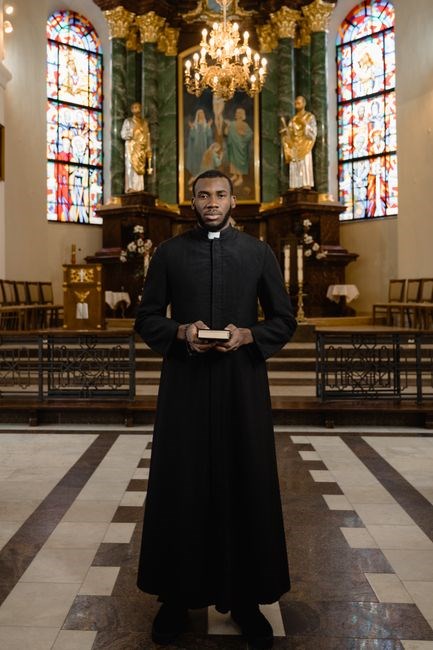
Prepare by consulting the PDF’s curated question list, then cross‑reference each topic with authoritative Reformed resources. Core texts include John Calvin’s Institutes of the Christian Religion, R.C. Sproul’s Systematic Theology, and the Reformed Doctrine of God by John Frame. For biblical exegesis, use the Anchor Bible Commentary and New International Commentary series. Seminary syllabi from Westminster, Princeton, and Gordon often mirror the PDF’s structure, offering lecture notes, case studies, and discussion prompts that align with the exam’s true/false, multiple‑choice, and essay sections.
Supplementary study guides are available through the Association of Presbyterian Churches’ online portal, featuring downloadable question banks, model answers, and interactive quizzes. The Presbyterian Study Bible provides concise doctrinal summaries for each chapter, useful for quick review. Additionally, the Reformed Worship Guide offers practical insights into church governance, a frequent exam focus.
Engage in peer study groups that meet weekly to dissect each question, test each other’s answers, and simulate oral interviews. Many seminaries host mock exams; record these sessions to analyze pacing and clarity. Finally, maintain a reflective journal, noting theological insights, scriptural citations, and personal convictions, as the PDF emphasizes written evidence of doctrinal understanding!!!
Practical Tips for Oral and Written Exams
When facing the PDF’s oral interview, begin with a calm breathing routine to steady nerves. Structure your responses in the “Situation–Action–Result” format: identify the doctrinal issue, explain the theological basis, then apply it to ministry practice. Cite specific passages—e.g., 1 Peter 5:1–3 for leadership, Romans 8:28 for assurance—to demonstrate scriptural grounding. Keep answers concise, ideally under , yet rich in doctrinal detail.
For written exams, allocate time per section: 30 % for true/false, 40 % for multiple choice, 30 % for essays. Draft a quick outline before writing essays: thesis, supporting points, biblical references, and a concise conclusion. Use the PDF’s sample questions as a template; practice answering similar prompts aloud to refine clarity.
Practice active listening during oral exams; paraphrase the question before answering to confirm understanding. Maintain eye contact, speak at a measured pace, and use hand gestures sparingly to emphasize key points. Record mock interviews and review for body language and theological precision.
Leverage study groups to simulate panel questioning; rotate roles between candidate and panelist to gain perspective. Review feedback promptly and adjust your responses. Finally, stay humble—acknowledge areas of growth, showing a willingness to learn, which aligns with the PDF’s emphasis on lifelong discipleship.
Time management is critical: use a timer during practice sessions to simulate exam conditions. For true/false, aim for 90 % accuracy; for multiple choice, eliminate obviously wrong options first. For essays, allocate 5 minutes for planning, 20 minutes for drafting, and 5 minutes for review. Keep a checklist of key doctrines—salvation, covenant, church polity—to ensure coverage.

Resources: keep a laminated reference sheet of core doctrines and key biblical passages. During the exam, you may not have a Bible, so internalizing scripture is essential. Use mnemonic devices for complex doctrines, such as the “T‑S‑C” acronym for Trinity, Sovereignty, and Covenant.
After the exam, reflect on feedback, update your study plan, and schedule follow‑up sessions with mentors. Continuous improvement is the hallmark of a competent minister, and the PDF’s structure rewards those who demonstrate both knowledge and humility.