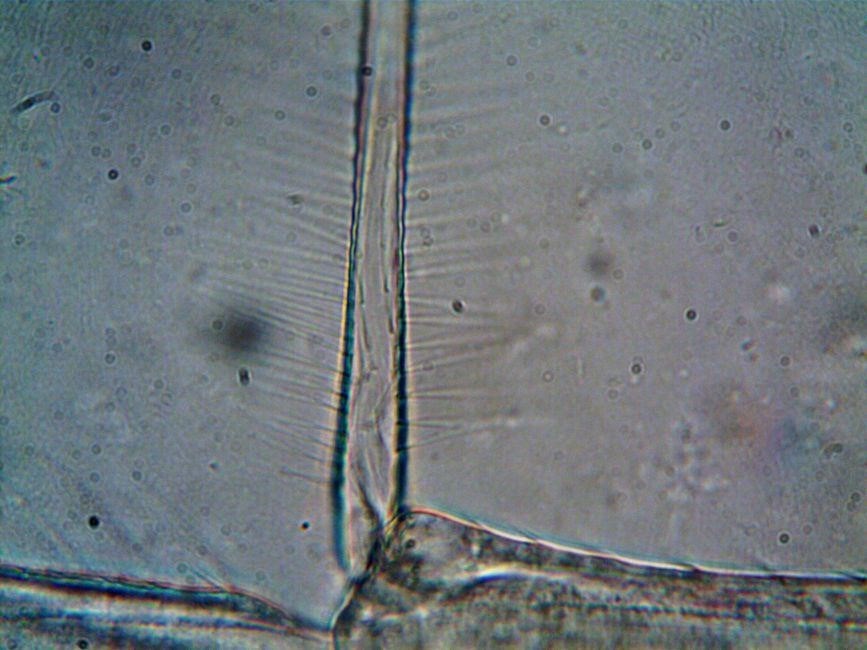
Talaros foundations in microbiology PDF offers concise, authoritative insights into microbial fundamentals, bridging theory and practice. It compiles core principles, experimental designs, and analytical techniques students researchers alike.
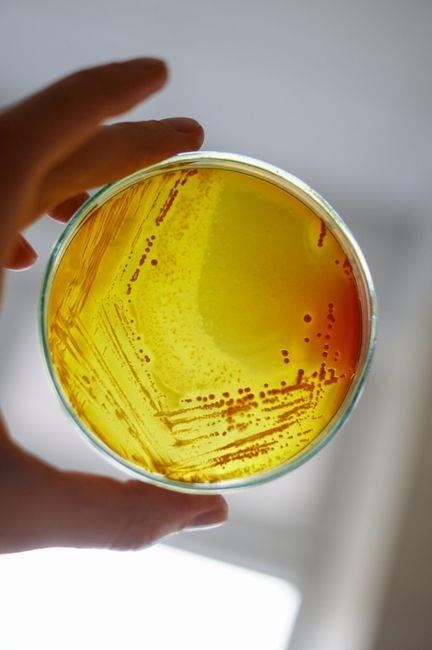
Historical Context and Relevance
The talaros foundations in microbiology PDF traces its roots back to the early 20th century, when pioneering microbiologists first cataloged bacterial species using rudimentary staining techniques. Over decades, the document evolved alongside breakthroughs in microscopy, culture media, and genetic sequencing, reflecting the shifting paradigms of microbial taxonomy. Its relevance today lies in its comprehensive synthesis of historical milestones—such as the development of the Gram stain, the discovery of antibiotics, and the advent of molecular phylogenetics—paired with contemporary insights into microbial ecology and pathogenesis. By contextualizing these advancements, the PDF serves as a bridge between foundational knowledge and modern research, enabling students and professionals to appreciate the lineage of concepts that underpin current methodologies. In essence, the document not only chronicles past achievements but also highlights how historical context informs future directions in microbiology, making it an indispensable resource for anyone seeking a deep, nuanced understanding of the field’s evolution. Its legacy shapes modern curricula worldwide, and art!. Its influence permeates laboratory protocols, guiding experimental design worldwide. daily!!!!!.
Scope of the PDF Resources
The talaros foundations in microbiology PDF encompasses a wide array of topics, ranging from basic cellular biology to advanced molecular techniques. It provides detailed explanations of microbial taxonomy, cell wall composition, and metabolic pathways, alongside practical guidance on culturing, staining, and microscopy. The resource includes high‑resolution images, step‑by‑step protocols, and annotated diagrams that illustrate key concepts such as Gram staining, antibiotic resistance mechanisms, and biofilm formation. Additionally, the PDF covers contemporary research areas, including metagenomics, CRISPR‑based genome editing, and the role of microbiota in human health. Each chapter is structured to facilitate both self‑study and classroom instruction, with end‑of‑chapter summaries, review questions, and suggested laboratory exercises. The document also offers a curated bibliography and links to open‑access journals, enabling readers to explore primary literature. By integrating historical context with cutting‑edge science, the PDF serves as a comprehensive reference for students, educators, and researchers seeking to deepen their understanding of microbial life and its applications in medicine, agriculture, and biotechnology. This PDF is a vital resource for anyone exploring the microbial world and its impact on health.
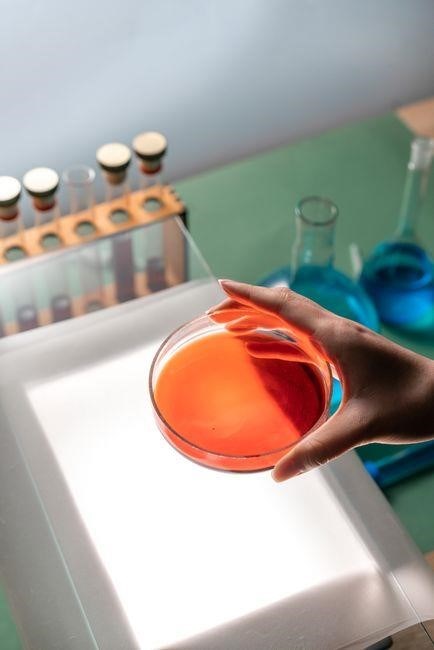
Core Microbiological Concepts Covered
Taxonomy, cell structure, metabolic pathways, genetics, and ecological roles are detailed, offering clear explanations, diagrams, and practical examples for students and researchers. Learn more.Expan
Taxonomy and Classification
In the Talaros Foundations in Microbiology PDF, taxonomy is presented as a hierarchical framework that organizes the vast diversity of microbial life into nested groups: domain, kingdom, phylum, class, order, family, genus, and species. The document emphasizes the historical development of classification systems, from the early phenotypic approaches of 19th‑century microbiologists to the modern phylogenomic methods that integrate whole‑genome sequencing data. It explains the criteria used to delineate taxa, such as 16S rRNA gene similarity thresholds, average nucleotide identity, and phenotypic traits like Gram staining, spore formation, and metabolic capabilities. The PDF also discusses the challenges of classifying uncultured organisms, the role of metagenomics in uncovering novel lineages, and the importance of standardized nomenclature governed by the International Code of Nomenclature of Prokaryotes. Practical exercises illustrate how to construct taxonomic trees, interpret cladograms, and apply molecular markers to resolve phylogenetic relationships, providing readers with hands‑on skills essential for modern microbiological research. This guide equips students with essential knowledge to confidently explore microbial diversity now!! Readers gain a grasp of microbial taxonomy fundamentals us.
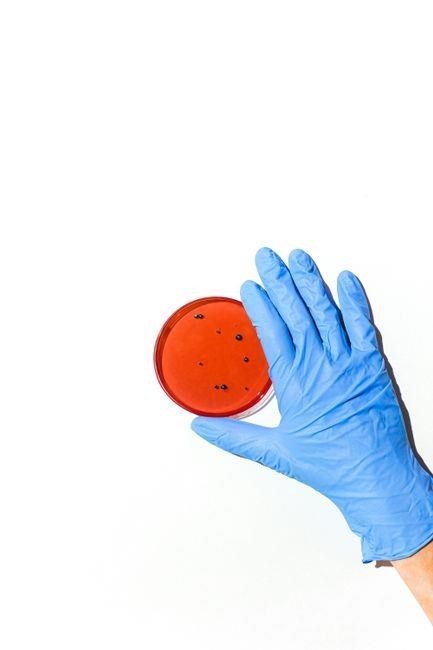
Cell Structure and Function
In the Talaros Foundations in Microbiology PDF, cell structure is dissected into prokaryotic and eukaryotic paradigms, highlighting membrane composition, cytoskeletal elements, and organelle specialization. The text details the lipid bilayer, phospholipid asymmetry, and embedded proteins that mediate transport, signaling, and energy transduction. It explains the bacterial cell wall architecture—peptidoglycan cross‑linking, teichoic acids, and lipopolysaccharide layers—and contrasts Gram‑positive and Gram‑negative envelopes. The guide then explores nucleoid organization, plasmid replication, and the role of ribosomes in protein synthesis, including 30S/50S subunit assembly. Eukaryotic sections cover endomembrane systems, mitochondria, chloroplasts, and the cytoskeleton’s microtubules, actin filaments, and intermediate filaments. Functional assays such as electron microscopy, fluorescence tagging, and biochemical fractionation are described, enabling readers to link structure to metabolic pathways, cellular regulation, and adaptive responses. Practical labs illustrate cell wall staining, membrane potential measurement, and subcellular fraction isolation, reinforcing conceptual understanding with hands‑on experience. All ideas are key.
Metabolic Pathways
The Talaros Foundations in Microbiology PDF presents a comprehensive overview of microbial metabolic networks, emphasizing glycolysis, the tricarboxylic acid cycle, and oxidative phosphorylation. It dissects the enzymatic steps, cofactor requirements, and regulatory checkpoints that dictate flux under varying environmental conditions. The guide also covers anaerobic pathways such as fermentation, denitrification, and sulfate reduction, illustrating how microbes adapt energy production to oxygen availability. Additionally, the text delves into biosynthetic routes for amino acids, nucleotides, and lipids, linking precursor availability to growth rates and stress responses. Practical laboratory modules demonstrate substrate utilization assays, enzyme kinetics, and isotope tracing, enabling students to quantify pathway activity and validate computational models. By integrating genetic regulation, signal transduction, and metabolic engineering principles, the PDF equips researchers with the tools to manipulate pathways for biotechnological applications and to interpret metabolic phenotypes in ecological contexts.This resource also includes interactive diagrams and sample data sets for hands‑on learning.!!!??
Key Talaros Publications and PDFs
The Talaros Foundations in Microbiology PDF compiles seminal studies, recent breakthroughs, and open‑access documents, offering curated links, abstracts, and download options for researchers worldwide.!!
Landmark Studies
Within the Talaros Foundations in Microbiology PDF, several landmark studies are highlighted for their transformative impact on the field. The first is the classic 1953 work by Avery, MacLeod, and McCarty, which demonstrated that DNA is the hereditary material of bacteria, a discovery that reshaped genetic research worldwide. Next, the 1977 landmark paper by Brenner, Good, and Lipman introduced the GenBank database, providing an unprecedented repository of nucleotide sequences that has become indispensable for comparative genomics. In 2003, the discovery of CRISPR-Cas9 editing systems by Doudna and Charpentier, featured in the PDF’s curated collection, revolutionized genome editing, enabling precise manipulation of microbial genomes. The 2012 publication on metagenomic sequencing by Tyson et al. showcased the power of high-throughput sequencing to uncover novel microbial taxa in extreme environments, expanding our understanding of biodiversity. Finally, the 2019 review on synthetic biology by Lajoie and colleagues, included in the PDF, outlines strategies for designing minimal genomes, paving the way for engineered microbes with tailored functions. This collection serves as a foundational reference for researchers.
Recent Advances
Recent advances featured in the Talaros Foundations in Microbiology PDF illustrate the rapid evolution of microbial research. The integration of single‑cell transcriptomics now allows researchers to profile individual bacterial cells, revealing heterogeneity that was previously masked by bulk analyses. Coupled with CRISPR‑Cas9 genome editing, scientists can now perform multiplexed knockouts; Metagenomic long‑read sequencing, particularly Oxford Nanopore technologies, has enabled the reconstruction of complete microbial genomes directly from environmental samples. Artificial intelligence algorithms applied to protein structure prediction, such as AlphaFold, have accelerated the annotation of microbial proteins. Additionally, the advent of microfluidic “lab‑on‑a‑chip” platforms has streamlined high‑throughput screening of antimicrobial compounds, reducing reagent consumption and turnaround time. The PDF also highlights the development of synthetic microbial consortia engineered for bioremediation, where engineered strains cooperate to degrade complex pollutants more efficiently than single species. These advances empower researchers to develop novel therapeutics and enhance environmental sustainability and global health WHO
How to Access the PDFs

Practical Applications in Research
The Talaros PDFs guide labs in culturing, sequencing, and bioinformatics, enabling rapid pathogen identification, antibiotic resistance profiling, and metabolic engineering in microbiology projects.!!
Laboratory Techniques
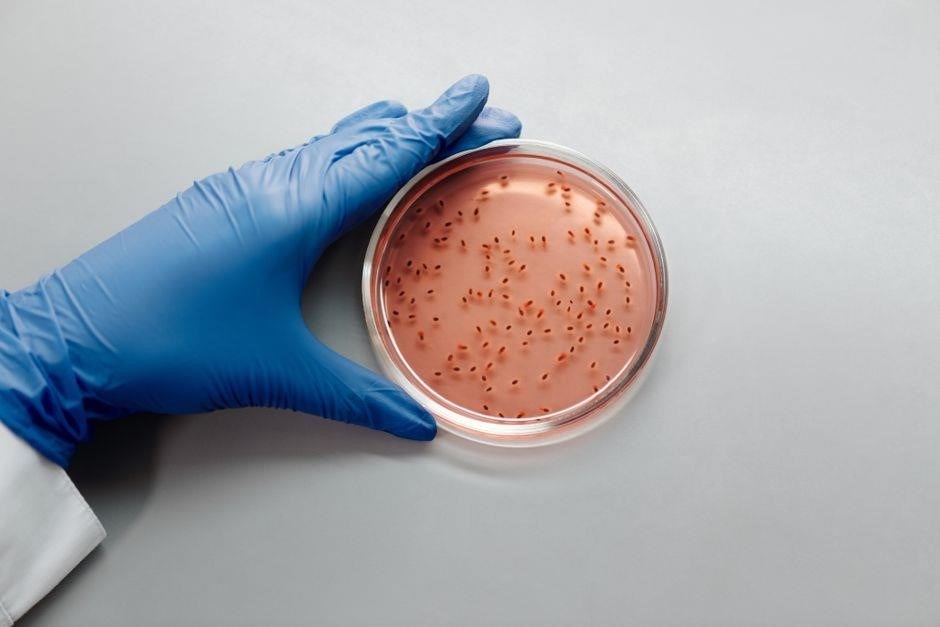
In the Talaros foundations PDF, laboratory techniques are outlined as concise, reproducible protocols. The guide covers aseptic handling, media preparation, and inoculation for aerobic and anaerobic cultures. Streak‑plate and spread‑plate methods, along with selective media, enable accurate colony isolation. Microscopy sections describe Gram staining, acid‑fast staining, and fluorescence microscopy, with troubleshooting tips. Spectrophotometry for growth monitoring, OD600 calibration, and cell density calculations are detailed. Antibiotic susceptibility testing via disk diffusion, broth microdilution, and E‑test is explained with CLSI standards. Molecular methods include DNA extraction, PCR, qPCR, and next‑generation sequencing library prep, with primer design and reaction optimization. Bioinformatics workflows for sequence assembly, annotation, and phylogenetic analysis link laboratory data to computational pipelines. Safety protocols, waste disposal, and quality control checkpoints ensure compliance. Researchers can translate theory into robust experimental outcomes. The PDF also highlights quality assurance measures, including calibration of instruments, validation of protocols, and documentation standards to support reproducibility and reg compliance.!!
Diagnostic Tools
The Talaros foundations PDF details diagnostic tools that translate microbiological theory into clinical decision‑making. It begins with phenotypic assays: culture‑based identification, biochemical panels, and rapid antigen tests, emphasizing sample integrity, incubation parameters, and interpretation of growth patterns. Molecular diagnostics are covered extensively, including conventional PCR, real‑time PCR, multiplex assays, and next‑generation sequencing for pathogen detection, resistance gene profiling, and outbreak surveillance. The guide explains primer design, probe selection, and assay validation, with a focus on sensitivity, specificity, and limit of detection. Serology sections describe ELISA, agglutination, and immunofluorescence, highlighting antigen preparation, antibody titers, and cross‑reactivity issues. Point‑of‑care devices, such as lateral flow assays and microfluidic chips, are reviewed for rapid bedside testing, with performance metrics and quality control procedures. Bioinformatics pipelines for sequence alignment, phylogenetic analysis, and resistance mutation mapping are linked to diagnostic workflows, ensuring data integrity and regulatory compliance. The PDF also addresses biosafety, waste management, and laboratory accreditation standards, providing a comprehensive framework for accurate, reliable, and ethical diagnostic practice. These tools empower researchers to swiftly identify pathogens, guiding treatment decisions and public health interventions—end!!!
Future Directions and Resources
Emerging trends in Talaros microbiology PDFs include AI‑driven diagnostics, CRISPR‑based editing, and global data sharing platforms. Resources feature open‑access journals, collaborative networks, and training modules for next‑gen researchers.
Emerging Trends
Recent editions of the Talaros Foundations in Microbiology PDF emphasize technologies reshaping the field. A key trend is integrating machine‑learning algorithms for rapid strain identification, enabling real‑time surveillance of antimicrobial resistance. The PDF also highlights single‑cell genomics, revealing microbial heterogeneity and novel metabolic pathways. Synthetic biology tools, such as CRISPR‑Cas systems, are used to engineer microbes for bioremediation and sustainable bio‑fuel production. High‑throughput phenotypic screening accelerates discovery of new antibiotics and diagnostic biomarkers. Open‑access data repositories foster global collaboration and reproducibility. Researchers leverage cloud‑based bioinformatics platforms for sequence assembly, phylogenetic analysis, and metabolic modeling. The PDF underscores ethical and regulatory frameworks guiding genome editing and pathogen handling, ensuring responsible innovation in microbiology. Moreover, the PDF integrates interactive modules that allow users to simulate microbial ecosystems, assess the impact of environmental variables on community dynamics, and predict emergent properties, thereby bridging knowledge with hands‑on experimentation.!
Further Reading and Online Databases
For a comprehensive extension of the Talaros Foundations in Microbiology PDF, researchers consult a curated set of primary literature and dynamic online repositories. Core references include the classic Microbiology: Principles and Explorations series, the Journal of Bacteriology, and the Annual Review of Microbiology. These texts deliver in‑depth reviews, methodological insights, and case studies that reinforce the PDF’s foundational concepts. Online databases such as GenBank and UniProt host nucleotide and protein sequences, enabling comparative genomics and functional annotation. The European Nucleotide Archive supplies raw sequencing data, while the ENA Browser facilitates data retrieval and analysis. For phylogenetic context, the NCBI Taxonomy Browser and UniProt Taxonomy provide hierarchical classification and taxon‑specific information. Interactive platforms like MicrobesOnline and MetaboAnalyst enable pathway mapping, metabolomic profiling, and comparative analyses across species. The CAZy database catalogs carbohydrate‑active enzymes, essential for studies on polysaccharide metabolism. Antimicrobial resistance surveillance relies on ARPGN and CFR databases that aggregate resistance gene data worldwide. Educational portals such as the Microbiology Society and
Contacting Experts and Communities
Engaging with specialists enhances the practical impact of the Talaros Foundations in Microbiology PDF. Researchers can reach out through institutional email, professional networking sites such as LinkedIn, and discipline‑specific forums like ResearchGate. Many universities host dedicated microbiology groups where faculty and graduate students share insights, troubleshoot protocols, and discuss emerging trends. Attending virtual seminars, webinars, and workshops hosted by societies such as the American Society for Microbiology (ASM) or the International Society for Microbial Ecology (ISME) provides direct access to thought leaders and cutting‑edge research. Mailing lists, for instance the ASM Microbiology Mailing List, offer timely updates on new publications, conference announcements, and job opportunities. Additionally, open‑access platforms such as BioRxiv and Research Square allow preprint submissions, enabling early feedback from the broader community. For hands‑on guidance, many labs offer mentorship programs where experienced researchers guide newcomers through experimental design, data analysis, and manuscript preparation. Participation in initiatives connects researchers with a worldwide network of contributors, fostering data sharing and projects. Researchers can collaborate across disciplines, sharing protocols and datasets to celerate discovery.